
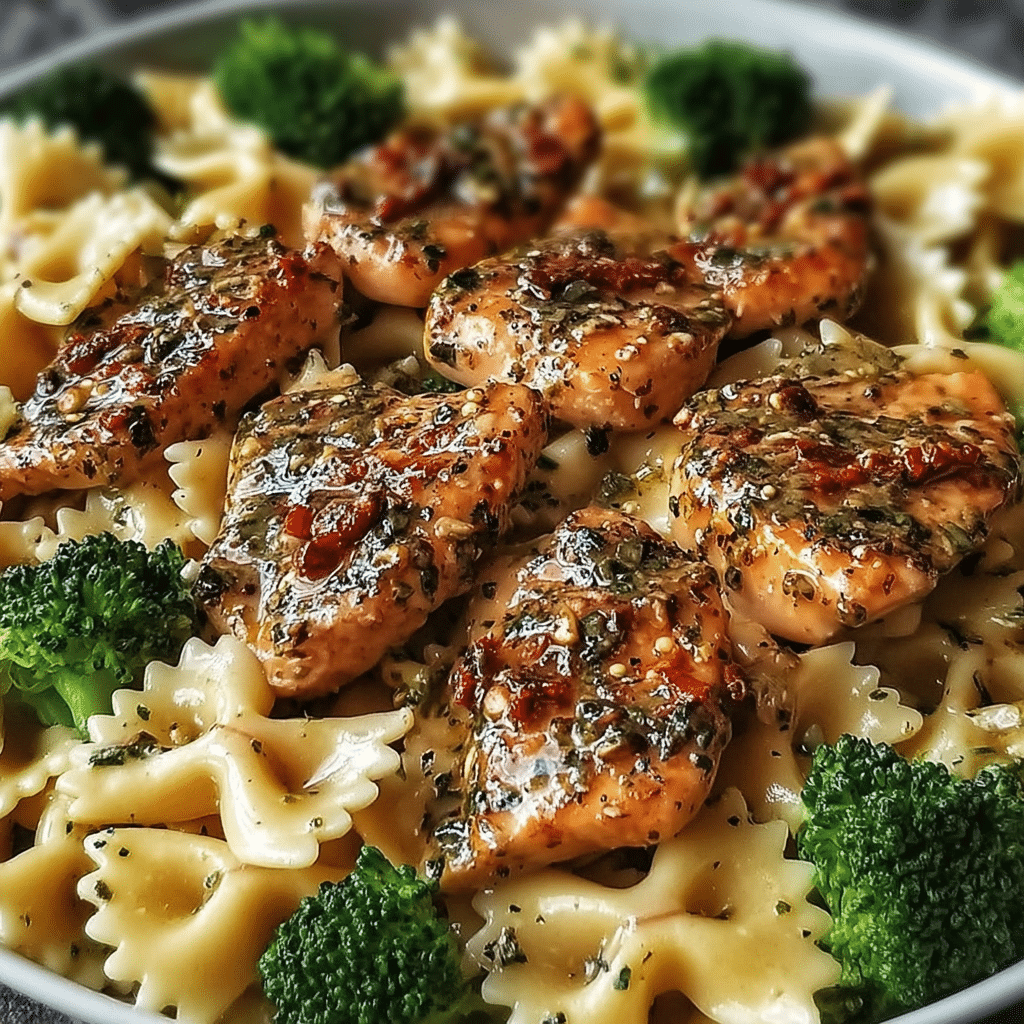
Introduction: Where Bold Frontier Flavor Meets Bright Italian Sunshine
There are pasta dishes that play it safe. They are pleasant, familiar, and entirely forgettable. And then there are pasta dishes that refuse to be ignored—dishes that announce themselves with a swirl of garlic butter, a crackle of red pepper flakes, a bright burst of lemon, and the unmistakable richness of Parmesan melting into every crevice of perfectly cooked bowtie pasta. The Cowboy Butter Lemon Bowtie Chicken with Broccoli belongs emphatically to the second category.
Let us address the name first, because it deserves explanation. “Cowboy butter” is a relatively recent culinary phenomenon—a compound butter sauce that originated in steakhouse culture, typically combining melted butter with garlic, fresh herbs, Dijon mustard, lemon, and a kick of red pepper flakes. It is bold, rustic, and unapologetically flavorful, the kind of sauce that might have been served around a campfire after a long day on the trail. When you marry that cowboy butter with the bright acidity of lemon, the tender bite of seasoned chicken, the satisfying chew of bowtie pasta, and the fresh green pop of broccoli, you get something entirely new: a dish that is equal parts comfort food and weeknight showstopper.
This recipe solves several dinner dilemmas at once. It is a one-skillet meal (after the pasta is boiled), meaning minimal cleanup. It transforms humble chicken breasts into something juicy and exciting with a simple Cajun-inspired spice rub. It incorporates broccoli seamlessly, making it easy to get vegetables on the table without a separate cooking step. And the sauce—oh, the sauce—is made entirely in the same skillet where the chicken cooked, capturing every browned bit of flavor left behind.
What makes this dish truly special, however, is its balance. The butter provides richness, but the lemon cuts through it with brightness. The Dijon mustard adds a subtle tang and helps emulsify the sauce. The red pepper flakes bring gentle heat, while the fresh parsley and chives offer herbaceous freshness. The Parmesan ties everything together with its salty, nutty umami. Each bite is complex yet harmonious, indulgent yet somehow not heavy.
In this article, we will explore every nuance of the Cowboy Butter Lemon Bowtie Chicken with Broccoli. We will discuss the best ingredients, from selecting the right chicken to understanding the role of reserved pasta water. We will walk through a detailed, step-by-step method that ensures success, whether you are a confident cook or a pasta novice. Finally, we will answer the most frequently asked questions, offering substitutions, storage tips, and creative variations to make this recipe a permanent fixture in your dinner rotation.
Bring a large pot of salted water to a boil. It is time to make something unforgettable.
Ingredients: The Building Blocks of Bold, Buttery Flavor
Before we fire up the stove, let us take a moment to appreciate each ingredient. This recipe has three distinct components: the seasoned chicken, the cowboy butter lemon sauce, and the pasta with vegetables. Every item on this list has a job, and understanding those jobs is the key to culinary success. Below is the complete list, followed by detailed notes on selection, quality, and potential substitutions.
For the Chicken:
- 1 lb boneless, skinless chicken breasts, cut into bite-sized pieces
- 1 tsp Cajun seasoning
- 1/2 tsp garlic powder
- 1/2 tsp smoked paprika
- Salt and black pepper, to taste
- 2 tbsp olive oil
For the Cowboy Butter Lemon Sauce:
- 6 tbsp unsalted butter
- 4 cloves garlic, minced
- 1/2 tsp crushed red pepper flakes (optional)
- 1 tsp Dijon mustard
- Zest and juice of 1 lemon
- 2 tbsp fresh parsley, chopped
- 1 tbsp fresh chives, chopped
- Salt and black pepper, to taste
For the Pasta and Vegetables:
- 12 oz bowtie (farfalle) pasta
- 2 cups broccoli florets
- 1/2 cup reserved pasta water
- 1/2 cup grated Parmesan cheese, plus more for serving
Cook Mode Note: As you prepare this recipe, you may want to prevent your screen from going dark. Most devices offer a “stay awake” or “cook mode” setting in their display options, allowing you to reference the instructions without constantly tapping the screen.
Ingredient Deep Dive
1. Boneless, Skinless Chicken Breasts (1 lb, cut into bite-sized pieces)
Chicken breasts are the lean, protein-rich canvas for our bold spices. Cutting them into bite-sized pieces (approximately 1-inch cubes) serves several purposes: it increases surface area for browning, ensures quick and even cooking, and makes the final dish easy to eat—no knife required. One pound is approximately two medium-sized chicken breasts. For the juiciest results, look for chicken breasts that are similar in size so they cook evenly. If your chicken breasts are very thick, you can butterfly them before cutting into pieces. While chicken breasts are specified, chicken thighs (boneless, skinless) can be substituted for a juicier, more forgiving result; they are harder to overcook and have richer flavor.
2. Cajun Seasoning (1 tsp)
Cajun seasoning is a spice blend that typically includes paprika, cayenne pepper, garlic powder, onion powder, black pepper, and dried herbs like oregano and thyme. It adds warmth, complexity, and a gentle kick to the chicken. The amount (1 teaspoon) provides flavor without overwhelming heat. If you do not have Cajun seasoning, you can make your own by combining 1/2 teaspoon paprika, 1/4 teaspoon cayenne (reduce for less heat), 1/4 teaspoon garlic powder, and a pinch each of dried oregano and thyme. For a milder dish, use Creole seasoning (similar but less spicy) or simply increase the smoked paprika and add a pinch of cayenne.
3. Garlic Powder (1/2 tsp)
Garlic powder provides a concentrated, savory garlic flavor that adheres to the chicken during browning. Unlike fresh garlic, it will not burn in the hot skillet. It works in concert with the fresh garlic in the sauce, creating layers of garlicky depth. Use pure garlic powder, not garlic salt, which contains added sodium.
4. Smoked Paprika (1/2 tsp)
Smoked paprika is made from peppers that are dried and smoked over oak fires, giving it a distinctive, smoky, almost bacon-like flavor. It adds color (a beautiful reddish-orange hue) and a subtle complexity that elevates the chicken beyond ordinary. Do not substitute sweet or hot paprika; while they will work, they lack the smoky character that makes this dish special. If you only have sweet paprika, add a drop of liquid smoke (use sparingly) to approximate the flavor.
5. Olive Oil (2 tbsp)
Olive oil is the cooking fat for browning the chicken. It has a relatively high smoke point (around 410°F) and adds its own fruity, peppery flavor. Extra-virgin olive oil is ideal. If you do not have olive oil, avocado oil or grapeseed oil are excellent neutral substitutes.
6. Unsalted Butter (6 tbsp)
Butter is the soul of cowboy butter. Six tablespoons (3/4 of a stick) creates a luxurious, silky sauce that coats every piece of pasta and chicken. Unsalted butter is strongly recommended because it allows you to control the salt level (the Parmesan cheese and Cajun seasoning already contribute salt). If you only have salted butter, reduce or omit additional salt in the sauce. The butter should be melted gently over medium heat; do not let it brown or burn, as this will create a bitter, nutty flavor that competes with the lemon and herbs.
7. Garlic (4 cloves, minced)
Fresh garlic is the aromatic heart of the cowboy butter sauce. Four cloves, finely minced, will infuse the butter with intense, sweet, nutty garlic flavor as they cook. Mincing the garlic finely (rather than slicing or leaving whole) ensures that it distributes evenly throughout the sauce and every bite contains a hint of garlicky goodness. For the best flavor, use fresh garlic cloves rather than pre-minced jarred garlic, which often contains preservatives and has a flat, bitter taste. If you are a garlic lover, feel free to add a fifth or sixth clove.
8. Crushed Red Pepper Flakes (1/2 tsp, optional)
Red pepper flakes add a gentle, building heat that warms the dish without making it spicy. The heat comes from the seeds and membranes of dried chili peppers, typically cayenne or similar varieties. The amount (1/2 teaspoon) is noticeable but not aggressive. If you are sensitive to heat, reduce to 1/4 teaspoon or omit entirely. If you love spice, increase to 1 teaspoon or add a pinch of cayenne in addition to the flakes.
9. Dijon Mustard (1 tsp)
Dijon mustard is a small but mighty ingredient. It adds a subtle tang and sharpness that balances the richness of the butter. More importantly, Dijon acts as an emulsifier, helping the butter, lemon juice, and pasta water come together into a creamy, cohesive sauce rather than a greasy, separated mess. Do not substitute yellow mustard (too sweet and vinegary) or whole-grain mustard (too chunky) unless that is all you have. A teaspoon of Dijon is enough; you will not taste “mustard” in the final dish, just a pleasant savory depth.
10. Lemon (zest and juice of 1 lemon)
Lemon is the bright, sunny counterpoint to the rich, buttery cowboy sauce. The zest (the yellow outer part of the peel, not the white pith) contains aromatic oils that provide intense lemon flavor without acidity. The juice adds brightness and cuts through the fat, preventing the dish from tasting heavy. Use a fresh lemon, not bottled juice, which lacks the complexity and brightness of fresh. Before juicing, roll the lemon on the counter under your palm to break down internal membranes and release more juice. One medium lemon yields approximately 2–3 tablespoons of juice and 1 tablespoon of zest.
11. Fresh Parsley (2 tbsp, chopped)
Fresh parsley adds a pop of green color and a clean, slightly peppery, herbaceous note that brightens the finished dish. Flat-leaf (Italian) parsley is preferred over curly parsley for its stronger flavor. Chop the parsley finely just before using, as pre-chopped parsley loses its vibrancy quickly. Parsley is added at the very end to preserve its fresh flavor and texture.
12. Fresh Chives (1 tbsp, chopped)
Chives are a mild, onion-flavored herb that adds a delicate savory note and a beautiful green fleck to the dish. Unlike scallions or green onions, chives are thinner, more delicate, and less pungent. If you do not have chives, you can substitute the green tops of scallions (finely sliced) or omit them entirely and increase the parsley slightly.
13. Bowtie Pasta (12 oz, farfalle)
Bowtie pasta, known as farfalle (Italian for “butterflies”), is the perfect shape for this dish. Its pinched center and wide, ruffled edges capture the creamy cowboy butter sauce beautifully, ensuring every bite is flavorful. The 12-ounce amount is slightly less than a standard 16-ounce box, which is intentional—this dish is saucy and rich, and using less pasta allows the chicken, broccoli, and sauce to shine. If you only have a full pound (16 ounces), you can use it all but will need to increase the reserved pasta water to 3/4 cup and possibly add an extra tablespoon of butter. Other pasta shapes that work well include penne, rigatoni, fusilli, or orecchiette—anything with nooks and crannies to hold the sauce.
14. Broccoli Florets (2 cups)
Broccoli adds color, texture, nutrition, and a fresh, slightly bitter counterpoint to the rich sauce. The florets are added to the pasta water during the final 3 minutes of cooking, which is a brilliant time-saving technique called “same-pot cooking.” This method cooks the broccoli to crisp-tender perfection without an extra pan. Cut the broccoli into bite-sized florets (about 1-inch pieces). The stems can be peeled, sliced thinly, and added as well if you want to reduce waste. For the brightest green color, plunge the cooked broccoli into an ice bath after draining (though this is not necessary if serving immediately).
15. Reserved Pasta Water (1/2 cup)
Reserved pasta water is a chef’s secret weapon. It is starchy, slightly salty, and acts as a natural thickener and emulsifier for the sauce. When added to the butter and cheese, the starch helps create a creamy, cohesive sauce that clings to the pasta rather than pooling at the bottom of the bowl. Always reserve at least 1 cup of pasta water before draining, even if the recipe only calls for 1/2 cup. You can always discard the extra, but you cannot go back in time to save it. The water should be reserved just before draining; do not let it sit and cool, as the starch will settle.
16. Grated Parmesan Cheese (1/2 cup, plus more for serving)
Parmesan is the finishing touch that transforms the sauce from buttery to creamy. When stirred into the hot pasta with a splash of reserved pasta water, the Parmesan melts and emulsifies, creating a silky, clingy sauce that coats every piece of pasta. Use freshly grated Parmesan from a wedge (Parmigiano-Reggiano is the gold standard). Pre-shredded or pre-grated Parmesan contains anti-caking agents that prevent it from melting smoothly and can leave a gritty texture. A Microplane or fine box grater yields light, fluffy shreds that melt instantly. For serving, pass additional Parmesan at the table—this dish welcomes a generous hand.
Preparation Method: Step-by-Step to Cowboy Butter Perfection
Now, we move from ingredient appreciation to action. Follow these instructions carefully, and you will be rewarded with a perfect Cowboy Butter Lemon Bowtie Chicken with Broccoli. The total active time is approximately 30 minutes.
Step 1: Bring Pasta Water to a Boil (5 minutes)
Action: Fill a large pot (at least 5-6 quarts) with water. Add a generous amount of salt—approximately 1 to 1.5 tablespoons of kosher salt. The water should taste like the sea. Bring the water to a rolling boil over high heat.
Why this matters: Salting the pasta water is the only opportunity to season the pasta itself from the inside out. Undersalted water yields bland pasta, no matter how flavorful the sauce. The salt also helps the pasta water become starchier, which improves the sauce’s ability to emulsify. A rolling boil ensures the pasta cooks evenly and does not stick together.
Pro Tip: Do not add oil to the pasta water. Oil coats the pasta and prevents sauce from adhering. Stir the pasta occasionally during cooking to prevent sticking instead.
Step 2: Cook the Pasta and Broccoli (10–12 minutes)
Action: Once the water is boiling vigorously, add the 12 oz bowtie (farfalle) pasta. Stir immediately to prevent the pasta from sticking to itself or the bottom of the pot. Cook according to package directions for al dente (firm to the bite). Typically, bowtie pasta takes 9–11 minutes.
When the pasta has 3 minutes of cooking time remaining, add the 2 cups of broccoli florets directly to the same pot. Stir to submerge the broccoli. Continue cooking for the final 3 minutes.
Just before draining, reserve 1/2 cup of the pasta water (actually, reserve 1 full cup to be safe). Use a ladle, a heatproof measuring cup, or a coffee mug to scoop out the water and set it aside. Then, drain the pasta and broccoli in a colander. Do not rinse the pasta; the starch on the surface helps the sauce cling.
Why this matters: Adding the broccoli during the last 3 minutes of pasta cooking ensures it emerges crisp-tender, bright green, and perfectly cooked—not mushy and not raw. This “same-pot” method saves time, reduces dishes, and infuses the broccoli with a little salty pasta water flavor. Reserving pasta water before draining is critical; once you drain, the starchy water is gone forever. Do not rinse the pasta, as rinsing washes away the beneficial starch and cools the pasta, making it harder for the sauce to adhere.
Pro Tip: For an even brighter green color and a firmer texture, you can plunge the drained pasta and broccoli into a bowl of ice water for 30 seconds, then drain again. This is called “shocking” and stops the cooking process instantly. However, for this dish, serving immediately makes shocking unnecessary.
Step 3: Season and Cook the Chicken (8–10 minutes)
Action: While the pasta is cooking, prepare the chicken. Pat the 1 lb of chicken breasts dry with paper towels. Cut into bite-sized pieces (approximately 1-inch cubes). In a medium bowl, combine the chicken pieces with:
- 1 tsp Cajun seasoning
- 1/2 tsp garlic powder
- 1/2 tsp smoked paprika
- Salt and black pepper to taste (about 1/2 tsp salt and 1/4 tsp pepper)
Toss until the chicken is evenly coated with the spices.
Heat 2 tablespoons of olive oil in a large skillet over medium-high heat. Once the oil is shimmering (but not smoking), add the seasoned chicken in a single layer. Do not overcrowd the skillet; cook in two batches if necessary. Cook for 4–5 minutes without stirring to allow a golden-brown crust to form. Then, stir and continue cooking for another 3–4 minutes until the chicken is golden on all sides and fully cooked through (internal temperature of 165°F / 74°C). Remove the chicken from the skillet and set it aside on a plate.
Why this matters: Patting the chicken dry removes surface moisture, which promotes browning rather than steaming. The spice mixture adheres better to dry chicken. Searing the chicken undisturbed for the first few minutes creates the Maillard reaction—the chemical process that produces deep, savory, caramelized flavor. Removing the chicken from the skillet before making the sauce prevents it from overcooking and becoming dry while you prepare the cowboy butter.
Pro Tip: Do not crowd the skillet. If the chicken pieces are too close together, they will release steam and turn gray instead of golden brown. Leave space between each piece. A 12-inch skillet can handle 1 pound of cubed chicken in a single layer without overcrowding.
Step 4: Make the Cowboy Butter Lemon Sauce (3–4 minutes)
Action: Reduce the heat to medium. In the same skillet (do not wipe it out—the browned bits stuck to the bottom are flavor gold), add 6 tablespoons of unsalted butter. Allow the butter to melt completely, swirling the pan occasionally.
Once the butter is melted and gently bubbling (but not browning), add 4 cloves of minced garlic. Cook for 30 to 60 seconds, stirring constantly, until the garlic is fragrant and just beginning to turn golden. Do not let it brown or burn.
Add the remaining sauce ingredients:
- 1/2 tsp crushed red pepper flakes (optional)
- 1 tsp Dijon mustard
- Zest of 1 lemon
- Juice of 1 lemon (add gradually, tasting as you go)
Stir to combine. Season with salt and black pepper to taste. Let the sauce simmer gently for 1 minute, allowing the flavors to meld.
Why this matters: Cooking the garlic in butter for just 30–60 seconds releases its aromatic compounds without burning it (burnt garlic becomes bitter). The Dijon mustard helps emulsify the sauce, while the lemon zest and juice provide brightness and balance. Using the same skillet where the chicken cooked deglazes the pan—the lemon juice and butter lift those browned bits off the bottom, incorporating them into the sauce for maximum flavor.
Pro Tip: If the sauce seems too thick at this point, do not worry. The reserved pasta water will thin it to the perfect consistency. If it seems too thin, simmer for an additional minute to reduce slightly.
Step 5: Combine Everything and Create the Creamy Sauce (2–3 minutes)
Action: Return the cooked chicken to the skillet. Add the drained pasta and broccoli. Pour in 1/2 cup of the reserved pasta water (start with 1/4 cup and add more as needed). Toss everything together using tongs or two large spoons until the pasta, chicken, and broccoli are evenly coated in the cowboy butter sauce.
Add 1/2 cup of grated Parmesan cheese. Continue tossing until the Parmesan melts into the sauce, creating a creamy, silky texture that clings to every piece of pasta. If the sauce seems too thick or dry, add an additional splash of reserved pasta water (up to 1/4 cup more) until it reaches your desired consistency.
Why this matters: The reserved pasta water is the secret to a restaurant-quality sauce. Its starch content helps the butter, lemon juice, and Parmesan emulsify into a cohesive, creamy sauce rather than a greasy, separated puddle. Adding the cheese off the heat (or with the heat on low) prevents it from clumping or becoming stringy. The residual heat from the pasta and skillet is enough to melt the Parmesan gently.
Pro Tip: Toss, toss, toss. Vigorous tossing aerates the sauce and helps it coat every piece of pasta evenly. Use tongs to lift and turn the pasta repeatedly, as if you were tossing a salad. This motion incorporates air and creates a silky, emulsified sauce.
Step 6: Add Fresh Herbs and Serve (1 minute)
Action: Remove the skillet from the heat. Stir in 2 tablespoons of chopped fresh parsley and 1 tablespoon of chopped fresh chives. Toss once more to distribute the herbs evenly. Taste and adjust seasoning with additional salt, pepper, or a squeeze of lemon if needed.
Serve immediately in warm bowls. Top with additional grated Parmesan cheese and, if desired, an extra sprinkle of fresh parsley or a pinch of red pepper flakes. Serve hot.
Why this matters: Fresh herbs are added at the very end to preserve their bright color, fresh flavor, and delicate texture. If cooked, parsley and chives would wilt, darken, and lose their characteristic freshness. The final sprinkle of Parmesan adds a sharp, salty finish that contrasts beautifully with the rich, buttery sauce.
Pro Tip: For a beautiful presentation, twirl the pasta into a neat nest in each bowl using tongs or a fork. Place a few pieces of chicken and broccoli on top, then sprinkle with Parmesan and herbs. A final drizzle of the sauce from the skillet adds gloss and flavor.
Conclusion: A Dish That Refuses to Be Forgotten
The Cowboy Butter Lemon Bowtie Chicken with Broccoli is the kind of recipe that earns a permanent place in your cooking rotation. It is bold without being aggressive, rich without being heavy, and complex without being complicated. It solves the weeknight dinner equation—fast, flavorful, and family-friendly—while delivering a level of sophistication that feels like a special occasion.
What makes this dish truly remarkable is its ability to surprise. The name “cowboy butter” might conjure images of rustic, one-note richness, but the lemon, Dijon, and fresh herbs elevate it into something far more elegant. The Cajun-spiced chicken adds warmth and depth. The broccoli provides a fresh, green counterpoint. The Parmesan brings it all together into a creamy, cohesive whole. Each bite offers something new: a hit of garlic, a whisper of heat, a bright burst of lemon, a savory note of cheese.
This is a dish you will make again and again. You will make it on busy Tuesdays when you need dinner on the table in 30 minutes. You will make it when you have guests and want to impress without stress. You will make it when you have leftover chicken or need to use up that head of broccoli in the fridge. And every time you make it, you will remember why you fell in love with it in the first place.
So bring that salted water to a boil. Cut that chicken into bite-sized pieces. Mince that garlic, zest that lemon, and chop those fresh herbs. Your skillet is waiting, and something truly delicious is about to happen.
Frequently Asked Questions (FAQ)
1. Can I use chicken thighs instead of chicken breasts?
Absolutely. Boneless, skinless chicken thighs are an excellent substitute. They are more forgiving than breasts (harder to overcook) and have a richer, juicier flavor. Cut the thighs into the same bite-sized pieces and follow the same seasoning and cooking instructions. Thighs may take 1–2 minutes longer to cook through because of their higher fat content, but the visual cue remains the same: golden brown on the outside, no pink inside.
2. I don’t have Cajun seasoning. What can I use instead?
You have several options. The simplest is to make your own: combine 1/2 teaspoon paprika, 1/4 teaspoon garlic powder, 1/4 teaspoon onion powder, 1/8 teaspoon cayenne pepper (or less for mild heat), 1/8 teaspoon dried oregano, and a pinch of black pepper. Alternatively, use Creole seasoning (similar but usually less spicy), blackening seasoning, or even a simple mix of smoked paprika, garlic powder, and a pinch of cayenne. In a pinch, just use smoked paprika and garlic powder—the chicken will be less complex but still delicious.
3. Can I use a different pasta shape?
Yes, this recipe works beautifully with many pasta shapes. The best alternatives are those with nooks and crannies to capture the sauce: penne, rigatoni, fusilli (spiral), rotini, orecchiette (little ears), or gemelli. Long pasta like fettuccine or linguine also works, though the eating experience is different. Avoid very small pasta like orzo or ditalini, as they will not provide the same satisfying chew. If using a different shape, cook according to package directions for al dente and add the broccoli during the last 3 minutes as written.
4. Can I make this recipe dairy-free?
Yes, with several substitutions. Replace the butter with a high-quality dairy-free butter alternative (such as Miyoko’s, Earth Balance, or Country Crock Plant Butter). Replace the Parmesan cheese with a dairy-free Parmesan-style shreds or nutritional yeast (use 1/4 cup nutritional yeast for a cheesy, umami flavor). Ensure your Dijon mustard is dairy-free (most are). The sauce will be slightly different in texture (dairy-free butter has a lower melting point) but still delicious. Note that the sauce may not emulsify as smoothly without dairy.
5. How do I store and reheat leftovers?
Store leftovers in an airtight container in the refrigerator for up to 3 days. To reheat, the stovetop is best: place leftovers in a skillet over medium-low heat, add a splash of chicken broth or water, and stir gently until heated through. The microwave is faster: place a portion in a microwave-safe bowl, cover loosely, and heat in 45-second intervals on medium power, stirring between intervals. The pasta will absorb some of the sauce overnight, so leftovers may be drier than the original dish. Adding a little liquid during reheating helps restore the creamy texture.
6. Can I freeze this dish?
Freezing is possible but not ideal. The sauce, being butter and dairy based, may separate or become grainy upon thawing and reheating. The pasta texture will also suffer, becoming softer and less distinct. If you must freeze, do so without the fresh herbs (add them after reheating). Store in a freezer-safe container for up to 2 months. Thaw overnight in the refrigerator, then reheat gently on the stovetop with an extra splash of broth or water. For best results, enjoy this dish fresh.
7. The sauce in my dish turned out greasy instead of creamy. What went wrong?
Greasy, separated sauce is usually caused by one of three issues. First, the heat may have been too high when adding the cheese or pasta water. High heat can cause the butter to separate and the cheese to clump. Always reduce heat to medium-low before adding the reserved pasta water and Parmesan. Second, you may have used pre-shredded Parmesan, which contains anti-caking agents that prevent smooth melting. Always grate your own Parmesan. Third, you may not have added enough pasta water. The starch in the pasta water is essential for emulsification. If the sauce looks greasy, add another 1/4 cup of reserved pasta water and toss vigorously over low heat—this often rescues the sauce.
8. Can I add more vegetables to this dish?
Yes, this dish welcomes additional vegetables. Good candidates include: sliced bell peppers (add to the skillet with the garlic), asparagus (cut into 1-inch pieces and add to the pasta water with the broccoli), zucchini (sliced and added during the last 2 minutes of pasta cooking), or frozen peas (stir in at the very end, off heat, allowing residual heat to warm them). Avoid watery vegetables like fresh tomatoes or mushrooms unless pre-cooked, as they will release liquid and thin the sauce.
9. I don’t have fresh parsley or chives. Can I use dried herbs?
Fresh herbs are strongly preferred for this recipe because they are added at the end and provide bright, fresh flavor. Dried herbs are more potent and have a different character; they are better suited for cooking into sauces rather than finishing. If you must substitute, use 1 teaspoon of dried parsley and 1/2 teaspoon of dried chives (or dried chive flakes), but add them to the sauce while it simmers rather than at the end. The final dish will be less vibrant but still tasty. Alternatively, omit the herbs entirely and add an extra sprinkle of Parmesan and a squeeze of lemon at the end.
10. Can I use pre-cooked or rotisserie chicken to save time?
Yes. If you have leftover cooked chicken or rotisserie chicken, you can skip the chicken cooking step entirely. Shred or chop 1 lb of cooked chicken. When the recipe calls for cooking the seasoned chicken, simply heat the olive oil in the skillet, then add the pre-cooked chicken just to warm it through (1–2 minutes). Remove it and proceed with the sauce. The flavor will be slightly less developed (you lose the browning and spice crust), but the dish will still be delicious and much faster.
11. The recipe calls for 12 oz of pasta, but my box is 16 oz. Can I use the whole box?
You can, but you will need to make adjustments. Using 16 oz (a full pound) of pasta will result in a less saucy dish. To compensate, increase the reserved pasta water to 3/4 cup (or even 1 cup), add an extra 2 tablespoons of butter, and increase the Parmesan to 3/4 cup. The chicken and broccoli amounts remain the same, so the ratio of “extras” to pasta will be lower. The dish will still be good, but the sauce will be more subtle. For the best experience, use 12 oz as written, or save the remaining 4 oz of pasta for another meal.
12. Is this recipe spicy? Can I make it milder?
The recipe as written has a gentle warmth from the 1/2 teaspoon of red pepper flakes and the Cajun seasoning (which typically contains cayenne). It is not “spicy” in the sense of making your eyes water, but it has noticeable heat. To make it milder, omit the red pepper flakes entirely and use a mild Cajun seasoning (or make your own without cayenne). You can also reduce the Cajun seasoning to 1/2 teaspoon. For a completely heat-free version, season the chicken with just garlic powder, smoked paprika, salt, and pepper, and omit the red pepper flakes. The dish will still be delicious, just without the warmth.
13. Can I make this recipe ahead of time for a dinner party?
This dish is best served immediately after cooking, when the pasta is perfectly al dente and the sauce is silky and emulsified. However, you can prep components in advance. Up to 24 hours ahead: cut the chicken and toss with spices (store covered in the refrigerator), cut the broccoli, mince the garlic, zest and juice the lemon, and chop the herbs. When ready to serve, cook the pasta and broccoli, cook the chicken, make the sauce, and combine. This reduces last-minute work to about 15 minutes. If you absolutely must make the full dish ahead, undercook the pasta slightly (by 1 minute), toss with a little olive oil to prevent sticking, and store separately from the sauce. Reheat the sauce gently, add the pasta, and toss to combine.
14. Why do I need to reserve pasta water? Can’t I just use regular water?
Reserved pasta water is fundamentally different from plain water because it contains starch released from the pasta during cooking. This starch acts as a natural thickener and emulsifier, helping the butter, lemon juice, and Parmesan come together into a creamy, cohesive sauce that clings to the pasta. Plain water lacks this starch and will result in a thinner, less clingy, and potentially greasy sauce. Always reserve at least 1 cup of pasta water before draining—it is one of the simplest and most effective chef’s tricks for perfect pasta dishes.
15. Can I add wine to the sauce?
Yes, white wine would be a beautiful addition. After cooking the garlic, add 1/4 cup of dry white wine (such as Pinot Grigio, Sauvignon Blanc, or Chardonnay) and simmer for 1–2 minutes until reduced by half, before adding the lemon juice and Dijon. This adds complexity and acidity. If you add wine, reduce the lemon juice slightly (to about half the lemon) to prevent the sauce from becoming too acidic. The alcohol will cook off during simmering, leaving only flavor.
Cowboy Butter Lemon Bowtie Chicken with Broccoli: Creamy Garlic Butter Pasta Recipe
This Cowboy Butter Lemon Bowtie Chicken with Broccoli is a creamy garlic butter pasta recipe packed with juicy chicken, tender broccoli, and a rich lemon herb sauce.
- Prep Time: 10 minutes
- Cook Time: 20 minutes
- Total Time: 30 minutes
- Yield: 4 servings
- Category: Main Dish, Pasta
- Method: Stovetop
- Cuisine: American Fusion
Ingredients
- 1 lb chicken breast, bite-sized pieces
- 1 tsp Cajun seasoning
- 1/2 tsp garlic powder
- 1/2 tsp smoked paprika
- Salt and black pepper to taste
- 2 tbsp olive oil
- 6 tbsp unsalted butter
- 4 cloves garlic, minced
- 1/2 tsp red pepper flakes (optional)
- 1 tsp Dijon mustard
- Zest and juice of 1 lemon
- 2 tbsp parsley, chopped
- 1 tbsp chives, chopped
- 12 oz bowtie pasta
- 2 cups broccoli florets
- 1/2 cup reserved pasta water
- 1/2 cup Parmesan cheese + more for serving
Instructions
- Cook bowtie pasta in salted water until al dente.
- Add broccoli in last 3 minutes, then reserve 1/2 cup pasta water and drain.
- Season chicken with Cajun seasoning, garlic powder, paprika, salt, and pepper.
- Heat olive oil and cook chicken until golden and fully cooked. Remove.
- Melt butter in same skillet and sauté garlic until fragrant.
- Stir in red pepper flakes, Dijon mustard, lemon juice, and lemon zest.
- Return chicken, pasta, and broccoli to skillet and toss.
- Add pasta water as needed to loosen sauce.
- Stir in Parmesan until creamy.
- Serve warm with extra Parmesan and herbs.
Notes
- Fresh lemon juice gives the best flavor.
- Do not overcook broccoli for best texture.
- Add extra butter for a richer sauce.