
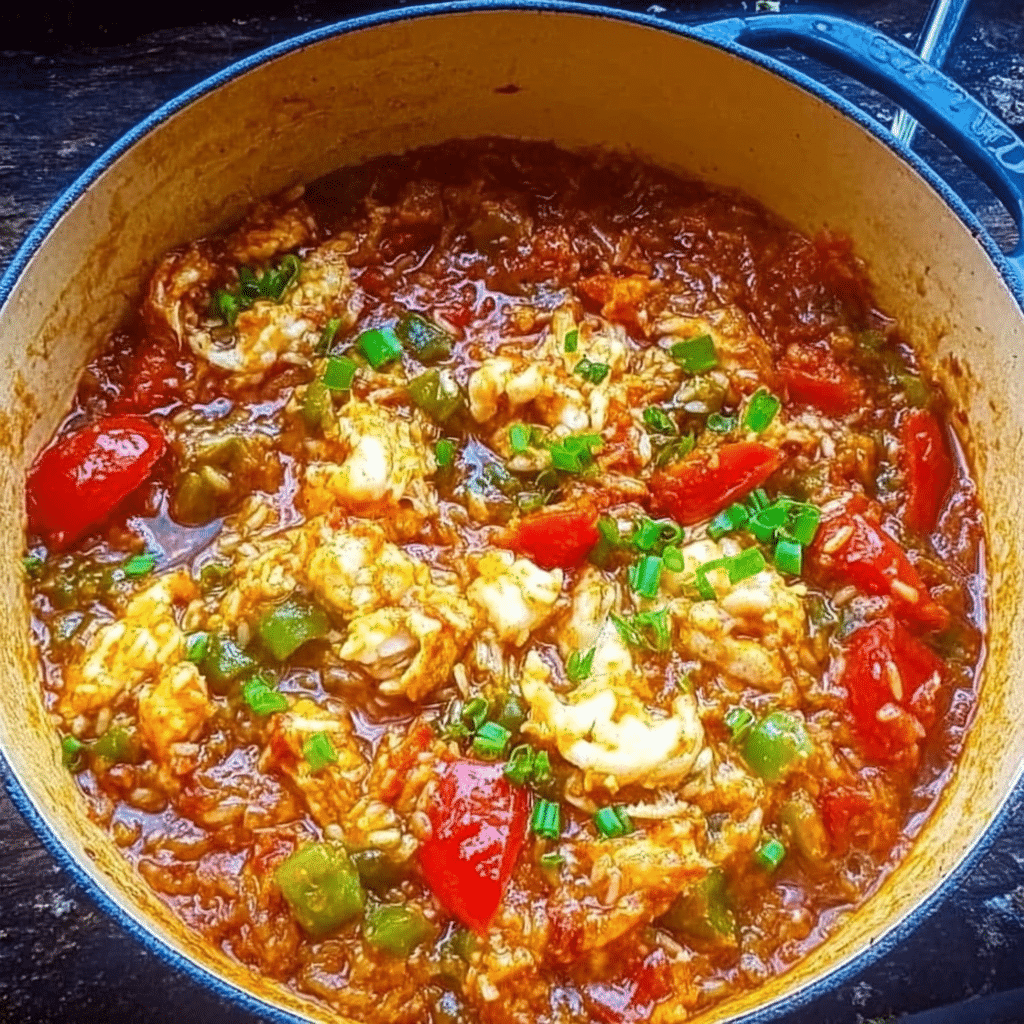
There are rice dishes, and then there’s Arroz de Tamboril—a Portuguese seafood masterpiece that transforms humble rice into something deeply luxurious. Imagine tender, meaty monkfish nestled in a creamy, saffron-hued (thanks to smoked paprika) rice, infused with sweet red and green bell peppers, bursting cherry tomatoes, pungent garlic, and a generous pour of white wine. Every spoonful is savory, briny, and utterly satisfying. This is coastal Portugal in a bowl.
Monkfish, sometimes called “poor man’s lobster,” has a firm, succulent texture that holds up beautifully in stews and rice dishes. Here, it’s simmered gently in a rich seafood stock until perfectly cooked, while the rice absorbs all those incredible flavors. The result is a dish that’s rustic enough for a weeknight dinner but elegant enough to serve to guests. Serve it with lemon wedges, crusty bread, and a glass of Vinho Verde, and you’ll feel like you’re dining on the Algarve coast. Let’s cook.
Why You’ll Love This Recipe
- Rich, layered Portuguese flavors – Smoked paprika, garlic, bell peppers, cherry tomatoes, white wine, and seafood stock create a deeply savory, aromatic broth.
- Creamy, comforting rice – Short-grain rice (Carolino, Arborio) absorbs the stock and becomes luxuriously creamy without being heavy.
- Monkfish: the “poor man’s lobster” – Firm, meaty, and sweet. It holds its shape beautifully and soaks up all the surrounding flavors.
- One-pot meal – Everything cooks in a single Dutch oven or large skillet. Less cleanup, more flavor.
- Impress your guests – This is a showstopping dish that looks and tastes like it came from a high-end Portuguese restaurant.
Ingredients
- 2 tbsp extra virgin olive oil – Fruity, rich, authentic. The foundation of the sauté.
- 2 tbsp butter – Adds richness and helps create a velvety texture.
- 1 cup yellow onion, diced – Sweet, savory depth. The aromatic base.
- ½ cup green bell pepper, diced – Slightly bitter, crisp, and adds beautiful color.
- ½ cup red bell pepper, diced – Sweet, vibrant, and visually stunning.
- 1 pint cherry tomatoes, halved and seeded – Sweet, juicy bursts of tomato flavor. Seeding prevents excess liquid.
- 8 garlic cloves, sliced – Pungent, aromatic, essential. Don’t skimp—this is Portuguese cooking.
- 1½ tsp smoked paprika – The star spice. Adds smoky, deep, slightly sweet flavor and that signature reddish hue.
- 2 tsp kosher salt – Enhances all the flavors. Adjust to taste at the end.
- ¼ tsp black pepper – Gentle warmth.
- ¼ tsp red chili flakes – A whisper of heat. Optional but recommended.
- 1 bay leaf – Earthy, floral, aromatic. Adds depth while simmering.
- 1 cup short grain rice (Carolino, Arborio, or similar) – Carolino is traditional Portuguese rice for this dish. Arborio (risotto rice) works beautifully as a substitute.
- 1 cup dry white wine – Adds acidity, brightness, and complexity. Use a wine you’d drink (Portuguese Vinho Verde is perfect).
- 3½ cups seafood stock, divided – The liquid backbone. Homemade is best, but high-quality purchased stock works well.
- 24 oz monkfish loin, cut into 2-inch chunks – Firm, meaty, and slightly sweet. Cut into uniform chunks for even cooking.
- 1 cup cilantro leaves, diced – Bright, fresh, slightly citrusy. Adds a pop of color and freshness at the end.
- Zest of 1 lemon, plus wedges for serving – Bright, aromatic, essential. Lemon zest goes into the rice; wedges go on the side.
How to Make Portuguese Monkfish Rice (Arroz de Tamboril)
Prepare the Monkfish
Pat the monkfish pieces completely dry with paper towels. Season generously with salt and pepper on all sides. Set aside.
Sauté the Aromatics
Heat the olive oil and butter in a large skillet or Dutch oven over medium heat. Once the butter is melted and foamy, add the diced yellow onion, green bell pepper, red bell pepper, halved cherry tomatoes, and sliced garlic. Sauté for about 3 minutes, stirring occasionally, until the vegetables begin to soften and the onions become translucent.
Bloom the Spices
Add the smoked paprika, kosher salt, black pepper, red chili flakes, and bay leaf to the pan. Stir to combine and cook for about 1 minute, stirring constantly, until the spices are fragrant. Do not let the garlic or paprika burn—burnt paprika becomes bitter.
Toast the Rice
Add the short-grain rice to the pan. Stir to coat the rice in the vegetable and spice mixture. Toast for 1–2 minutes until the rice becomes slightly translucent around the edges.
Add the Wine
Pour in the dry white wine. Stir and cook for about 2 minutes, until the wine is mostly absorbed by the rice. This step adds acidity and depth while cooking off the alcohol.
Simmer the Rice
Add 2½ cups of the seafood stock to the pan. Stir well, scraping up any browned bits from the bottom of the pan. Bring the mixture to a boil, then reduce the heat to low. Cover and simmer for 20 minutes, stirring occasionally to prevent sticking. The rice should be tender and most of the liquid absorbed.
Add the Monkfish and Remaining Stock
Add the remaining 1 cup of seafood stock, the lemon zest, and the seasoned monkfish chunks to the pan. Gently nestle the fish into the rice. Cover and cook for 10 minutes, until the monkfish is opaque, firm, and cooked through (it should flake easily with a fork). Do not overcook—monkfish can become tough if overdone.
Finish and Serve
Remove the bay leaf. Stir in the chopped cilantro gently, being careful not to break up the monkfish pieces too much. Taste and adjust seasoning with additional salt, pepper, or red chili flakes if needed.
Serve immediately in warm bowls, with lemon wedges on the side for squeezing. Crusty bread is essential for soaking up every last bit of the flavorful broth.
Tips for Success
- Use the right rice – Carolino rice is traditional in Portugal for this dish. Arborio (risotto rice) is an excellent substitute. Do not use long-grain rice—it won’t become creamy.
- Don’t skip the seafood stock – Homemade is ideal (simmer shrimp shells or fish bones with vegetables and herbs). High-quality purchased stock works well. Avoid plain water or chicken broth—the seafood flavor is essential.
- Pat the monkfish dry – This ensures proper browning (if you choose to sear) and prevents the fish from steaming in its own moisture.
- Monkfish is forgiving but don’t overcook – Monkfish has a firm, meaty texture that holds up well, but overcooking makes it tough. After 10 minutes in the simmering stock, it should be perfectly cooked.
- Let the rice rest briefly before serving – A few minutes off the heat allows the rice to absorb any remaining liquid and the flavors to meld.
- Serve immediately – This dish is best fresh, when the rice is creamy and the fish is tender. Leftovers are delicious but the rice will continue to absorb liquid.
Equipment Needed
- Large skillet or Dutch oven (5–6 quarts, with a tight-fitting lid)
- Cutting board and sharp knife
- Measuring cups and spoons
- Wooden spoon or spatula
- Zester or microplane (for lemon zest)
No Dutch oven? A large, heavy-bottomed pot with a lid works perfectly. The key is even heat distribution and a tight seal.
Recipe Variations
Portuguese Monkfish Rice with Shrimp – Add ½ pound of peeled, deveined large shrimp along with the monkfish. Shrimp cooks in 3–4 minutes, so add it during the last 5 minutes of cooking.
Arroz de Tamboril with Clams – Add 1 pound of fresh littleneck clams (scrubbed) along with the monkfish. Discard any clams that don’t open after 10 minutes. The clam liquor adds incredible briny depth.
Spicy Portuguese Monkfish Rice – Double the red chili flakes (½ teaspoon). Add 1 finely chopped fresh piri-piri or bird’s eye chili along with the garlic. Serve with extra hot sauce on the side.
Creamy Monkfish Rice – Stir in ¼ cup of heavy cream or coconut milk during the last 2 minutes of cooking, just before adding the cilantro. The result is even richer and more luxurious.
Tomato-Free Monkfish Rice – Omit the cherry tomatoes. Substitute 2 tablespoons of tomato paste, added with the spices. The flavor will be deeper and less sweet.
Serving Suggestions
This Portuguese Monkfish Rice is a complete meal on its own, but it loves simple accompaniments:
- Crusty bread – Essential for soaking up every last drop of the flavorful broth.
- Lemon wedges – A squeeze of fresh lemon brightens the entire dish.
- Hot sauce – Portuguese piri-piri sauce is traditional. Any hot sauce works.
- Simple green salad – A light salad with lemon vinaigrette balances the richness.
- Glass of Vinho Verde – The slightly effervescent, crisp Portuguese white wine is the perfect pairing.
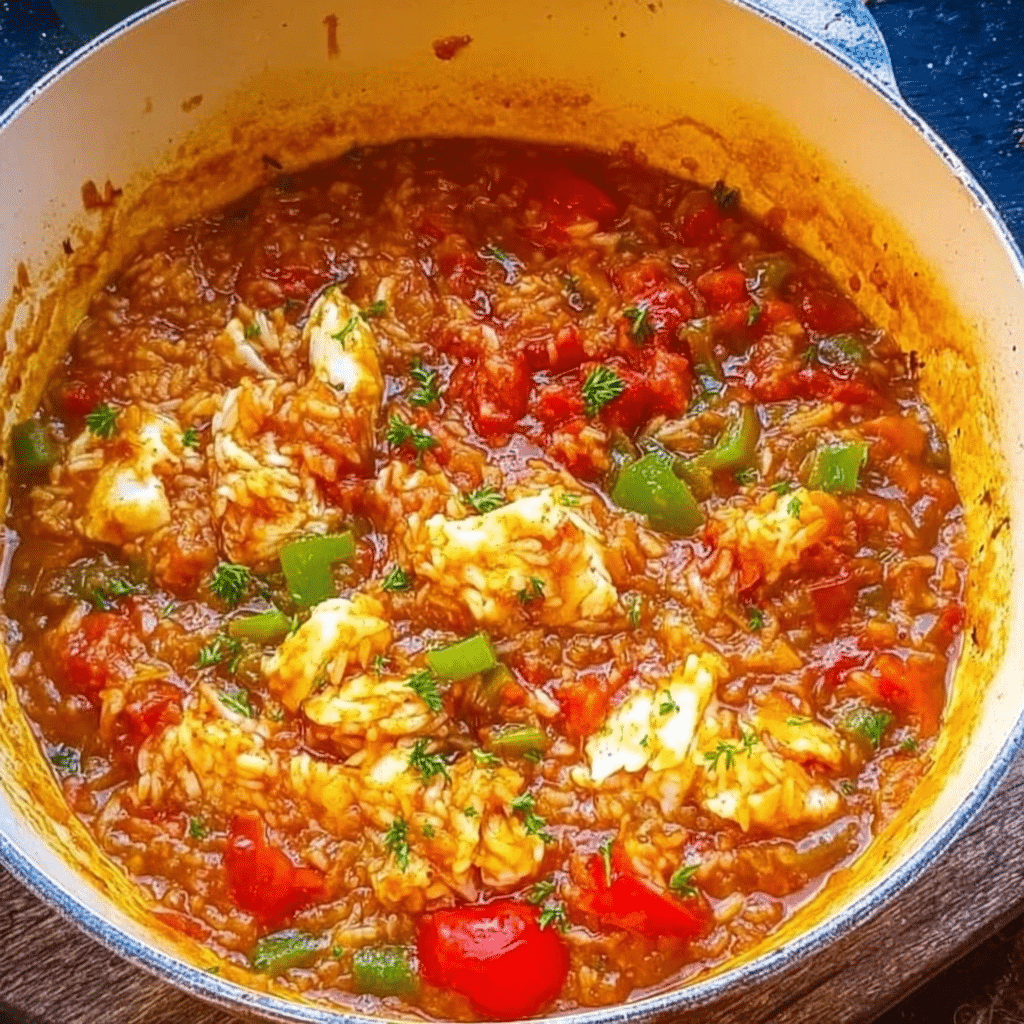
For a beautiful presentation, serve the rice in shallow bowls with a few monkfish chunks on top. Garnish with fresh cilantro, a sprinkle of smoked paprika, and a lemon wedge on the side.
FAQs
Can I use a different fish instead of monkfish?
Yes. Firm, meaty white fish work best. Halibut, cod, sea bass, or grouper are excellent substitutes. Avoid delicate fish like sole or tilapia—they’ll fall apart. Cut into similar 2-inch chunks and adjust cooking time as needed.
What is Carolino rice?
Carolino is a short-grain Portuguese rice traditionally used for arroz de tamboril and other Portuguese rice dishes. It absorbs liquid beautifully and becomes creamy without becoming mushy. Arborio rice (risotto rice) is an excellent substitute.
Can I use chicken broth instead of seafood stock?
You can, but the dish will lose its essential seafood character. If you must substitute, use a mixture of chicken broth and clam juice (which is often available near canned fish). Better yet, make quick seafood stock by simmering shrimp shells for 15 minutes.
Where can I buy monkfish?
Monkfish is available at well-stocked fish counters, seafood markets, and many grocery stores. Look for firm, pearly white fillets with no off-odors. Frozen monkfish (thawed) also works well. If unavailable, substitute with halibut or cod.
How do I store and reheat leftovers?
Store in an airtight container in the refrigerator for up to 3 days. Reheat gently on the stovetop over low heat, adding a splash of seafood stock or water to loosen the rice. The microwave works too (50% power, stirring every 30 seconds). The rice will be less creamy but still delicious.
Can I freeze this dish?
Freezing is not recommended. Rice becomes mushy when frozen and thawed, and the texture of the monkfish will suffer. This dish is best enjoyed fresh or within a few days refrigerated.
Is this recipe gluten-free?
Yes, as written. All ingredients are naturally gluten-free. Double-check your seafood stock label to ensure no hidden gluten. Serve with gluten-free bread if desired.
What wine should I use?
Use a dry white wine you would drink. Portuguese Vinho Verde is traditional—it’s slightly effervescent, crisp, and low in alcohol. Sauvignon Blanc, Pinot Grigio, or Albariño also work beautifully. Avoid sweet or oaked wines.
Final Thoughts
This Portuguese Monkfish Rice—Arroz de Tamboril—is a dish that transports you to the sun-drenched coast of Portugal with every bite. The smoky paprika, the sweet peppers, the burst of cherry tomatoes, the pungent garlic, the creamy rice, and the firm, succulent monkfish all come together in a symphony of flavor and texture. It’s rustic, elegant, and deeply satisfying.
This is not a difficult dish to make, but it does require attention and care. Use good ingredients. Don’t rush the rice. Let the monkfish simmer gently. And above all, serve it with plenty of bread for sopping up that glorious, golden broth.
So gather your ingredients. Pour yourself a glass of Vinho Verde. And get ready to make a Portuguese classic that will have everyone asking for seconds.
Made this Portuguese Monkfish Rice? I’d love to hear about it. Leave a comment, share a photo, or tell me how you made it your own. Boa apetite!
PrintPortuguese Monkfish Rice (Arroz de Tamboril) – A Creamy Seafood Classic
Portuguese Monkfish Rice (Arroz de Tamboril) – a rich, flavorful seafood rice dish from Portugal featuring tender monkfish chunks cooked in a aromatic tomato and bell pepper broth with short-grain rice. This one-pan meal is comforting, elegant, and absolutely delicious!
- Prep Time: 15 minutes
- Cook Time: 35 minutes
- Total Time: 50 minutes
- Yield: 4-6 servings
- Category: Main Dish, Seafood
- Method: Simmer, Sauté
- Cuisine: Portuguese
Ingredients
- 2 tbsp extra virgin olive oil
- 2 tbsp butter
- 1 cup yellow onion, diced
- 1/2 cup green bell pepper, diced
- 1/2 cup red bell pepper, diced
- 1 pint cherry tomatoes, halved and seeded
- 8 garlic cloves, sliced
- 1 1/2 tsp smoked paprika
- 2 tsp kosher salt
- 1/4 tsp black pepper
- 1/4 tsp red chili flakes
- 1 bay leaf
- 1 cup short grain rice (Carolino, Arborio, or similar)
- 1 cup dry white wine
- 3 1/2 cups seafood stock, divided
- 24 oz monkfish loin, cut into 2-inch chunks
- 1 cup cilantro leaves, diced
- Zest of 1 lemon, plus wedges for serving
Instructions
- Dry monkfish pieces with paper towels and season with salt and pepper; set aside.
- Heat olive oil and butter in a large skillet or Dutch oven over medium heat. Add onion, bell peppers, cherry tomatoes, and garlic; sauté 3 minutes.
- Add smoked paprika, salt, pepper, chili flakes, and bay leaf; toss 1 minute.
- Add rice and coat with the vegetable mixture. Add white wine and cook 2 minutes until mostly absorbed. Add 2 1/2 cups seafood stock, bring to boil, then reduce to low and simmer 20 minutes.
- Add remaining 1 cup stock, lemon zest, and monkfish; cover and cook 10 minutes. Test fish for doneness.
- Stir in cilantro gently and serve with lemon wedges, crusty bread, or hot sauce.
Notes
- Monkfish has a firm, lobster-like texture – do not overcook or it becomes tough.
- Carolino rice is traditional Portuguese short-grain rice; Arborio works beautifully as a substitute.
- Use a good quality seafood stock for the deepest flavor.
- For extra richness, finish with a drizzle of olive oil before serving.
- Leftovers can be refrigerated for up to 2 days – add a splash of stock when reheating.