
Introduction
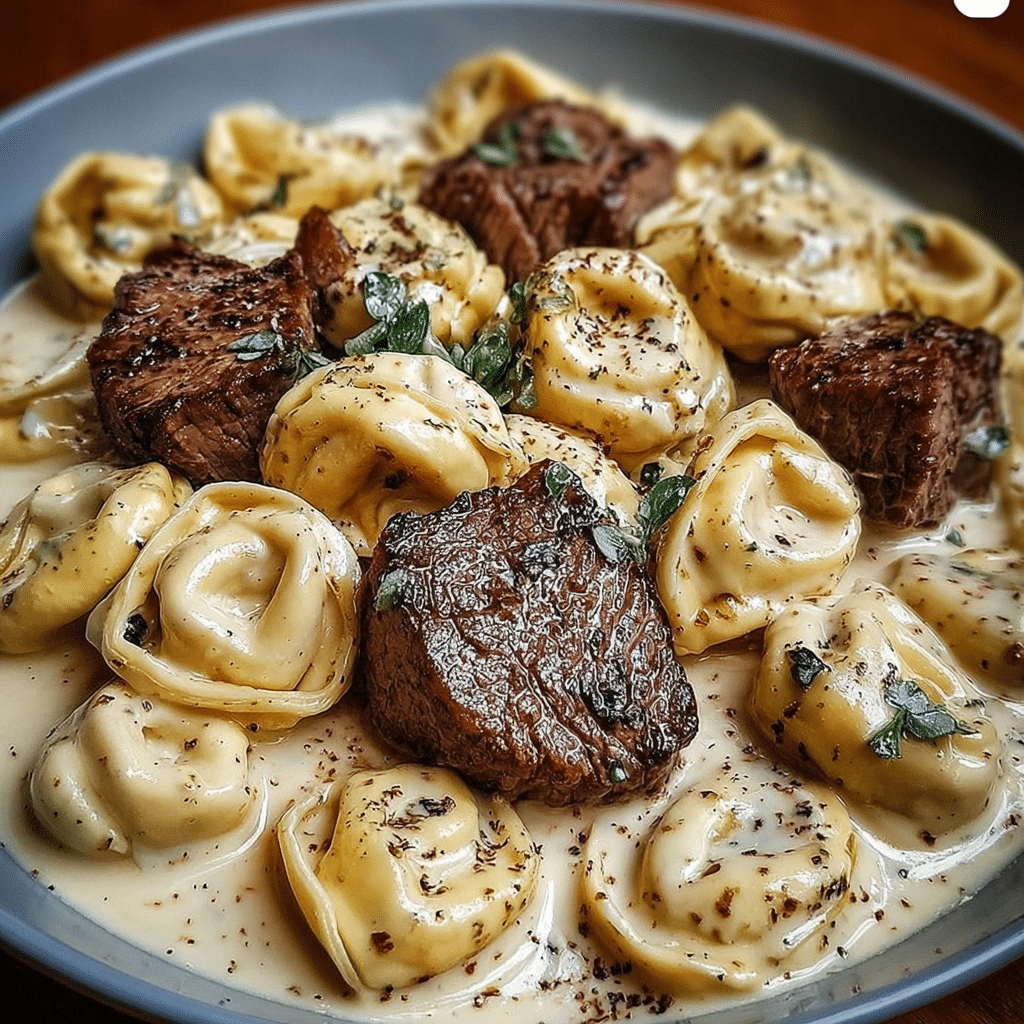
There are weeknight dinners, and then there are meals that feel like a warm embrace on a cold evening—a dish so rich, so satisfying, and so deeply flavorful that it etches itself into your personal hall of fame. The Cracked Garlic Steak Tortellini in Creamhouse Sauce Bliss is precisely that kind of dish. The name itself is a promise: cracked black pepper warming the palate, garlic infusing every molecule of the sauce, tender steak seared to perfection, and cheese-filled tortellini luxuriating in a velvety, parmesan-laced cream bath. This is not merely pasta with meat; this is a symphony of textures and tastes designed to impress family, friends, or even just yourself on a night when only comfort food of the highest order will suffice.
The inspiration behind this recipe is rooted in classic Italian-American cooking, where hearty ingredients come together to create something greater than the sum of their parts. The “Cracked” in the title refers to two things: the generous use of freshly cracked black pepper, which adds a piquant warmth that cuts through the richness, and the “crack” like addictive quality of the final dish—once you taste it, you will crave it again. The “Creamhouse” element speaks to the sauce: a homemade sanctuary of dairy richness, where heavy cream, whole milk, butter, and parmesan meld into a sauce so smooth it deserves its own architectural description.
What makes this dish truly exceptional is its balance. The steak brings a robust, meaty foundation with a caramelized crust. The tortellini—pillows of pasta filled with creamy cheese—provide tender, satisfying bites. The sauce ties everything together: it is rich but not cloying, thanks to the balance of heavy cream and whole milk; it is savory and nutty from the parmesan; it is aromatic from the garlic; and it is brightened by the optional garnishes of fresh parsley, red pepper flakes, and additional cracked black pepper. Every element complements the others.
This recipe also teaches essential cooking techniques: properly searing a steak to develop a flavorful crust, building a cream sauce without curdling, and bringing everything together at the right moment for perfect temperature and texture. While it feels luxurious and restaurant-quality, it is entirely achievable for a home cook with basic skills and attention to detail.
This article will guide you through every step of creating this masterpiece. We will begin with a comprehensive list of ingredients, explaining why each component matters. Then, we will move into a detailed, step-by-step preparation method, complete with professional tips to ensure success. Finally, we will conclude with a robust frequently asked questions (FAQ) section that addresses common pitfalls, substitution ideas, make-ahead strategies, and more. By the time you finish reading, you will have the confidence and knowledge to prepare a dish that tastes like it came from a high-end Italian bistro, all from the comfort of your own kitchen.
Let us begin.
Ingredients
Before you begin cooking, proper preparation—known in culinary circles as mise en place—is essential. Read through this list carefully. Note that the quality of your ingredients directly impacts the final dish. Fresh tortellini, real parmesan (not the green can), and a well-marbled steak will elevate your results dramatically.
For the Tortellini
- 20 oz cheese tortellini (fresh or refrigerated): The pillow-like pockets of pasta are the heart of this dish. Fresh or refrigerated varieties are non-negotiable here; they cook in just 2–4 minutes and have a tender, delicate texture that dried tortellini cannot match. The cheese filling—typically ricotta, parmesan, and mozzarella—melds beautifully with the cream sauce. Look for tortellini in the refrigerated section of your grocery store, usually near fresh pasta or in the deli area.
For the Steak
- 1 lb steak (sirloin or ribeye): This is your protein anchor. Sirloin is a leaner cut with a robust beefy flavor; it requires careful cooking to avoid toughness but rewards you with a cleaner taste. Ribeye, on the other hand, is richly marbled with fat, making it exceptionally tender and flavorful. For this dish, ribeye is the preferred choice because the fat renders into the pan, creating fond (browned bits) that deepen the sauce. However, sirloin works wonderfully if you are watching your saturated fat intake. Other good options include flank steak, strip steak (New York strip), or filet mignon.
For the Seasoning
- Salt: Use kosher salt or sea salt. Seasoning is not an afterthought; it is a structural component. You will salt the steak generously before searing. Do not skip this step.
- Black pepper: Freshly cracked, as the title suggests. Pre-ground pepper lacks the aromatic oils and sharp bite that fresh cracking provides. You will use this both on the steak and as a garnish. Invest in a good pepper grinder.
- Garlic powder: Do not confuse this with garlic salt. Garlic powder adds a subtle, savory background note to the steak without the moisture that fresh garlic would introduce. It also helps form a beautiful crust during searing.
- Smoked paprika: This is your secret weapon. Smoked paprika imparts a gentle, smoky sweetness that mimics hours of outdoor grilling. It also gives the steak a beautiful, mahogany crust. Do not substitute sweet or hot paprika; the smoked variety is essential for this flavor profile.
For the Creamy Sauce
- 2 tbsp olive oil: Use a high-quality extra virgin olive oil for searing the steak. It has a high smoke point and adds fruity, peppery notes. Do not use cheap “light” olive oil, which lacks flavor.
- 4 tbsp butter: Unsalted butter is best because it allows you to control the sodium level. The butter creates the emulsion base for the sauce, adding richness and a silky mouthfeel. You will use all 4 tablespoons in the sauce (none is needed for the steak beyond the olive oil).
- 5 cloves garlic, minced: Fresh garlic is non-negotiable here. Mince it finely so it melts into the sauce rather than biting into large chunks. Garlic adds aromatic pungency and complexity. For garlic lovers, 5 cloves is perfect; for a milder flavor, use 3 cloves.
- 1 cup heavy cream: This is the backbone of the creamhouse sauce. Heavy cream (at least 36% milk fat) provides the velvety smoothness and luxurious body that lighter creams cannot achieve. Do not substitute half-and-half or milk for the heavy cream portion.
- ¾ cup whole milk: Whole milk balances the heaviness of the cream, preventing the sauce from becoming cloying. The combination of cream and milk yields a sauce that coats the back of a spoon beautifully. Do not use skim or low-fat milk; the fat content matters for texture.
- 1 ¼ cups parmesan cheese, shredded or grated: Parmesan is the soul of this sauce. It adds a salty, nutty, umami-packed punch that binds everything together. Pre-shredded cheese often contains anti-caking agents that prevent smooth melting, so always grate your own from a wedge of Parmigiano-Reggiano. The green can will not melt properly and will result in a gritty sauce.
For the Garnishes (All Optional)
- Parsley, chopped: Fresh flat-leaf parsley adds a bright, herbaceous contrast to the rich sauce. It also provides a pop of green color that makes the dish look restaurant-ready.
- Red pepper flakes: For those who enjoy heat, a pinch of red pepper flakes adds a subtle, lingering spice that complements the cracked pepper. Add to taste.
- Cracked black pepper: A final flourish of freshly cracked pepper just before serving reinforces the title’s promise and adds texture.
Equipment
- Large pot (for boiling tortellini)
- Large skillet or sauté pan (12-inch recommended, for searing steak and making sauce)
- Cutting board and sharp knife
- Tongs (for flipping steak)
- Whisk (for smoothing the sauce)
- Wooden spoon or silicone spatula
- Measuring cups and spoons
Preparation Method
This recipe unfolds in three distinct phases: preparing and searing the steak, cooking the tortellini, and building the creamhouse sauce before combining everything. Work efficiently, and do not rush the searing process. Total active time is approximately 35 to 40 minutes. Serves 4 to 6 people.
Phase 1: Prepare and Sear the Steak
Step 1: Bring the steak to room temperature.
Remove your 1 lb steak (sirloin or ribeye) from the refrigerator 30 minutes before cooking. A cold steak seizes up when it hits a hot pan, leading to uneven cooking and a less tender result. Pat the steak completely dry on all sides using paper towels. Moisture is the enemy of a good sear.
Step 2: Season the steak liberally.
In a small bowl, combine 1 teaspoon of salt, 1 teaspoon of freshly cracked black pepper, 1 teaspoon of garlic powder, and 1 teaspoon of smoked paprika. Mix well. Sprinkle this seasoning blend evenly over all surfaces of the steak, pressing gently so it adheres. You want a visible crust of seasoning—do not be shy. Use any leftover seasoning for the sauce if desired.
Step 3: Heat the pan.
Place a large, heavy-bottomed skillet (cast iron is ideal) over medium-high heat. Add the 2 tablespoons of olive oil. When the oil shimmers and is hot enough that a drop of water sizzles and evaporates immediately, the pan is ready.
Step 4: Sear the steak.
Carefully lay the seasoned steak in the hot pan. Do not move it. Let it sear undisturbed for 3 to 4 minutes, depending on thickness. You are looking for a deep, dark brown crust—this is where flavor develops. Flip the steak using tongs and sear the other side for another 3 to 4 minutes. For a 1-inch thick steak, this will yield medium-rare to medium doneness (internal temperature of 130–140°F or 54–60°C). Adjust time according to your preference: add 1–2 minutes per side for medium-well.
Step 5: Rest the steak.
Transfer the seared steak to a cutting board. Do not skip this step. Tent it loosely with aluminum foil and let it rest for at least 10 minutes. Resting allows the juices to redistribute throughout the meat; cutting too early will result in a dry steak and a puddle of lost flavor on your board.
Phase 2: Cook the Tortellini
Step 6: Boil the pasta water.
While the steak rests, bring a large pot of generously salted water to a rolling boil. The water should taste like the sea—this is your only chance to season the pasta from within. Use about 1 tablespoon of salt per 4 quarts of water.
Step 7: Cook the tortellini.
Add the 20 oz of fresh or refrigerated cheese tortellini to the boiling water. Fresh tortellini cooks very quickly, typically in 2 to 4 minutes. Follow package instructions, but begin checking for doneness at the 2-minute mark. The tortellini is ready when it floats to the surface and feels tender but still has a slight bite (al dente).
Step 8: Drain, but reserve pasta water.
Drain the tortellini in a colander. Do not rinse it—rinsing removes the starch that helps the sauce cling to the pasta. Before draining, reserve ½ cup of the pasta cooking water. This starchy water is liquid gold for adjusting the sauce consistency later.
Phase 3: Build the Creamhouse Sauce and Assemble
Step 9: Deglaze the steak pan.
Return the same skillet you used for the steak to medium heat. The pan should have browned bits (fond) stuck to the bottom—this is concentrated flavor. Add the 4 tablespoons of butter. As it melts, use a wooden spoon to scrape up all those browned bits. This process is called deglazing without liquid; the butter does the work.
Step 10: Sauté the garlic.
Add the 5 cloves of minced garlic to the pan. Sauté for 30 to 60 seconds, stirring constantly, until fragrant. Do not let the garlic brown or burn, as burnt garlic becomes bitter. You want it soft and aromatic—about the time it takes to count to thirty slowly.
Step 11: Build the cream base.
Reduce the heat to medium-low. Slowly pour in the 1 cup of heavy cream and the ¾ cup of whole milk, whisking continuously. The mixture should be smooth and gradually warming. Do not let it boil; boiling can cause the cream to separate or curdle. You are looking for a gentle simmer with small bubbles forming around the edges—not a rolling boil.
Step 12: Incorporate the parmesan.
Add the 1 ¼ cups of freshly shredded or grated parmesan in three additions, whisking thoroughly after each until the cheese is fully melted and the sauce is smooth. The sauce will begin to thicken as the cheese melts and emulsifies. If it seems too thick, add a splash of the reserved pasta water (1 tablespoon at a time). If too thin, let it simmer gently for another minute or two, whisking occasionally.
Step 13: Season the sauce.
Taste the sauce. Add salt and freshly cracked black pepper as needed. Remember that the parmesan is already salty, so go slowly. A pinch of the reserved seasoning blend (from the steak) can also be added for extra depth. If using red pepper flakes, add them now to taste (start with ¼ teaspoon).
Step 14: Slice the steak.
After the steak has rested for a full 10 minutes, slice it thinly against the grain. Cutting against the grain shortens the muscle fibers, ensuring each bite is tender. The steak should be pink and juicy inside. If you used ribeye, expect beautiful marbling.
Step 15: Combine everything.
Add the cooked cheese tortellini to the cream sauce. Gently toss to coat every tortellini in that velvety sauce. Then, add the sliced steak, along with any accumulated juices from the cutting board. Toss gently again—you want the steak pieces distributed throughout but not broken apart. Heat through for 1–2 minutes, stirring gently.
Step 16: Garnish and serve.
Transfer to a large serving platter or individual bowls. Garnish with chopped parsley for freshness, a sprinkle of red pepper flakes for heat (if not already added), and an additional crack of black pepper for that signature “cracked” finish. Serve immediately while the sauce is warm and luscious.
Conclusion
The Cracked Garlic Steak Tortellini in Creamhouse Sauce Bliss is more than a recipe; it is an experience. It delivers the kind of profound, comforting satisfaction that makes you close your eyes after the first bite. The interplay between the peppery, smoky steak; the tender, cheese-filled tortellini; and the impossibly smooth parmesan cream sauce creates a dish that feels both decadent and balanced. While it requires a bit of attention and a willingness to work with heat and dairy, the process is straightforward and deeply rewarding.
This is a recipe designed for occasions—a romantic anniversary dinner, a Sunday family gathering, or a personal celebration of getting through a long week. Yet, once you master it, you will find yourself making it on random Tuesdays, simply because you deserve it. It also welcomes customization: add sautéed mushrooms, sun-dried tomatoes, or wilted spinach. Use shrimp instead of steak. Add a pinch of nutmeg to the sauce for warmth. The template is solid, and the variations are endless.
Below, you will find answers to the most common questions home cooks have about this dish, ensuring your success every time.
Frequently Asked Questions (FAQ)
1. Can I use dried tortellini instead of fresh?
Yes, but the results will differ. Dried tortellini typically requires 7–10 minutes of boiling and has a chewier, denser texture. If using dried, cook according to package instructions, and be generous with the reserved pasta water, as dried pasta releases more starch, which can actually help thicken the sauce. However, for the intended “blissful” texture—tender, delicate, and creamy—fresh or refrigerated is strongly recommended.
2. My cream sauce turned out grainy. What went wrong?
Graininess usually occurs for two reasons. First, you may have boiled the sauce instead of gently simmering it. High heat causes the proteins in the cream and cheese to seize and separate. Always keep the heat at medium-low or low once the dairy is added. Second, you may have used pre-shredded parmesan, which contains cellulose and anti-caking agents that do not melt smoothly. Always use freshly grated parmesan from a block. Third, adding the cheese too quickly or all at once can cause clumping; add it gradually while whisking constantly.
3. Can I make this dish ahead of time?
This dish is best served fresh, as the cream sauce can thicken and the pasta can absorb liquid upon standing. However, you can prep components in advance: cook and slice the steak (store separately in the refrigerator), cook the tortellini (toss with a little oil to prevent sticking, store separately), and make the sauce (store separately). Refrigerate each component for up to 2 days. When ready to serve, gently reheat the sauce over low heat, adding a splash of milk or pasta water to loosen it, then combine with the reheated tortellini and steak (reheat tortellini in boiling water for 30 seconds; reheat steak in a warm skillet).
4. What are the best side dishes to serve with this?
Given the richness of the dish, you want sides that provide contrast. A simple arugula salad with lemon vinaigrette cuts through the cream beautifully. Roasted asparagus or broccolini adds a slightly bitter, earthy note. Steamed broccoli with a squeeze of lemon works well. Garlic bread is always welcome but may be overkill; consider a crusty baguette for sopping up leftover sauce. A light tomato and cucumber salad also provides refreshing acidity.
5. Can I use a different cut of meat?
Absolutely. While sirloin and ribeye are specified, you can also use flank steak, skirt steak, strip steak (New York strip), or filet mignon. Adjust cooking times based on thickness. Flank and skirt steak benefit from marinating and should be sliced very thinly against the grain. For a budget-friendly option, beef tenderloin tips or pre-cut stir-fry steak work well, though you will need to reduce searing time to 1–2 minutes per side.
6. How do I reheat leftovers without breaking the sauce?
Leftover sauce has likely thickened in the refrigerator. Place the desired portion in a non-stick skillet over the lowest possible heat. Add a tablespoon of milk or cream per serving and stir constantly. Do not use a microwave, as uneven heating will cause the sauce to separate. Reheat gently until warm, about 3–5 minutes. If the pasta has absorbed too much liquid, add a splash of chicken broth or reserved pasta water.
7. Is this dish gluten-free?
Not as written, because traditional tortellini contains wheat flour. However, you can find gluten-free cheese tortellini in many specialty grocery stores or make your own. The sauce and steak are naturally gluten-free, so substituting the pasta is the only change needed. Always check that your parmesan is gluten-free (most are, but some pre-shredded blends contain additives). Also ensure your smoked paprika and other spices are gluten-free (cross-contamination is rare but possible).
8. Can I add vegetables to this dish?
Yes, and they add wonderful color and nutrition. Sautéed mushrooms (cremini or shiitake) pair beautifully with steak. Wilted spinach (add at the very end, just before serving) adds color and iron. Sun-dried tomatoes (chopped) add tangy sweetness. Roasted red peppers add smokiness. Broccoli florets (blanched first) add crunch. Add mushrooms to the pan after removing the steak, before making the sauce; add spinach at the very end, just before serving, so it wilts but retains its bright green color.
9. Why is my steak tough even though I followed the instructions?
Several factors could be at play. First, you may have cut the steak with the grain instead of against it. Examine the meat: muscle fibers run in one direction; slice perpendicular to those lines. Second, you may have overcooked it. Use an instant-read thermometer for accuracy: 130°F for medium-rare, 140°F for medium. Third, you may have skipped the resting period. Always rest for at least 5–10 minutes. Fourth, you may have used a lean cut like sirloin and cooked it beyond medium; lean cuts become tough when overcooked.
10. Can I freeze this dish?
Freezing cream-based sauces is not recommended, as the emulsion will break upon thawing, resulting in a gritty, watery mess. The steak and tortellini freeze well on their own, but the sauce does not. If you must freeze, freeze the components separately without the sauce: cooked tortellini (toss with oil, freeze in a bag), cooked sliced steak (freeze in a bag), and make a fresh sauce when ready to eat. The sauce takes only 10 minutes to prepare.
11. Can I use half-and-half instead of heavy cream?
You can, but the sauce will be significantly thinner and less luxurious. Heavy cream provides the velvety, coating texture that defines this dish. If you use half-and-half, reduce the amount of milk or eliminate it entirely to keep the sauce from becoming too thin. For a lighter but still creamy sauce, use 1 cup of half-and-half and ½ cup of whole milk, but expect a less rich result.
12. What type of parmesan should I use?
Parmigiano-Reggiano is the gold standard. It is a protected cheese from specific regions of Italy, with a crystalline texture, nutty flavor, and superior melting properties. Look for the dotted rind that says “Parmigiano-Reggiano.” Grana Padano is a good, less expensive alternative. Do not use “American Parmesan” or the pre-shredded green can—these contain anti-caking agents and will not melt smoothly. Always grate your own cheese using the fine side of a box grater or a Microplane.
13. Can I use fresh herbs instead of dried for the steak seasoning?
Yes, but with caution. Fresh herbs burn more easily than dried spices. If using fresh rosemary or thyme, add them to the pan during the last minute of searing (not to the dry rub). For the dry rub, stick with dried spices. Fresh parsley is used only as a garnish, not in the rub.
14. How do I prevent the sauce from breaking when I add the pasta?
The sauce is stable on its own, but adding cold pasta can shock it. To prevent breaking, ensure your cooked tortellini is warm (not cold from the refrigerator) before adding it to the sauce. If you cooked the tortellini in advance, reheat it briefly in hot water before adding. Also, add the pasta gradually, stirring gently, rather than dumping it all in at once.
15. Can I use turkey or chicken instead of steak?
Yes. For a lighter version, use 1 lb of boneless, skinless chicken breast or thighs. Season and sear the same way as steak, but cook chicken to 165°F (74°C). Turkey cutlets also work well. The flavor will be different—milder and less beefy—but the creamy sauce and tortellini will still be delicious. For a vegetarian version, omit the meat entirely and add sautéed mushrooms and spinach.
16. What is the best way to slice steak against the grain?
First, identify the direction of the muscle fibers. On a ribeye or sirloin, the fibers typically run lengthwise. Place the steak on your cutting board so the fibers run from left to right. Then slice perpendicular to those fibers—top to bottom. The slices should be about ¼ inch thick. Cutting against the grain shortens the fibers, making each bite more tender. If you cut with the grain, you will have long, chewy strands of meat.
17. Can I add wine to the sauce?
Yes, white wine adds acidity and depth. After searing the steak and removing it from the pan, deglaze the pan with ¼ cup of dry white wine (such as Pinot Grigio or Sauvignon Blanc) before adding the butter. Scrape up the browned bits and let the wine reduce by half (about 1–2 minutes). Then proceed with adding the butter, garlic, cream, and milk. This adds a sophisticated layer of flavor.
18. How do I know when the sauce is thick enough?
The sauce should coat the back of a spoon. Dip a spoon into the sauce, then run your finger across the back of the spoon. If the sauce leaves a clean line that does not immediately fill in, it is thick enough. If the sauce runs and fills the line quickly, it needs more reduction. Simmer for another 1–2 minutes and test again.
19. Can I use a different pasta shape?
Yes. While tortellini is ideal, other stuffed pastas work beautifully: ravioli (cheese or spinach-filled), agnolotti, or tortelloni. Unstuffed pasta like fettuccine or pappardelle also works, but you will lose the delightful cheese-filled pockets that contrast with the creamy sauce. If using unstuffed pasta, consider adding extra parmesan to the sauce to compensate.
20. What is the “Creamhouse Sauce” and why is it called that?
“Creamhouse” is a coined term for this recipe, evoking the idea of a sauce so creamy, rich, and comforting that it feels like a house built for cream—a sanctuary of dairy goodness. It combines heavy cream, whole milk, butter, and parmesan into a sauce that is velvety, smooth, and luxurious. The term also nods to “cream sauce” with a whimsical, memorable twist that fits the indulgent nature of the dish.
PrintCracked Garlic Steak Tortellini in Creamhouse Sauce Bliss: A Culinary Masterpiece
This cracked garlic steak tortellini in creamhouse sauce is a rich, creamy, restaurant-style pasta dish with tender steak and cheesy tortellini.
- Prep Time: 10 minutes
- Cook Time: 25 minutes
- Total Time: 35 minutes
- Yield: 4 servings
- Category: Main Dish, Pasta
- Method: Stovetop
- Cuisine: Italian-American
Ingredients
- 20 oz cheese tortellini (fresh or refrigerated)
- 1 lb steak (sirloin or ribeye)
- Salt, black pepper, garlic powder, smoked paprika
- 2 tbsp olive oil
- 4 tbsp butter
- 5 cloves garlic, minced
- 1 cup heavy cream
- 3/4 cup whole milk
- 1 1/4 cups parmesan cheese, grated
- Parsley (optional garnish)
- Red pepper flakes (optional)
- Cracked black pepper (optional garnish)
Instructions
- Cook tortellini according to package instructions, then drain and set aside.
- Season steak with salt, pepper, garlic powder, and smoked paprika.
- Heat olive oil in a skillet and sear steak to desired doneness. Remove and rest, then slice.
- In the same pan, melt butter and sauté garlic until fragrant.
- Add heavy cream and milk, stirring to combine.
- Slowly add parmesan cheese and whisk until smooth and creamy.
- Add tortellini and sliced steak into the sauce.
- Toss until fully coated and heated through.
- Garnish with parsley, cracked pepper, and red pepper flakes if desired.
Notes
- Let steak rest before slicing to keep it juicy.
- Use freshly grated parmesan for the smoothest sauce.
- Adjust garlic for stronger flavor if preferred.