
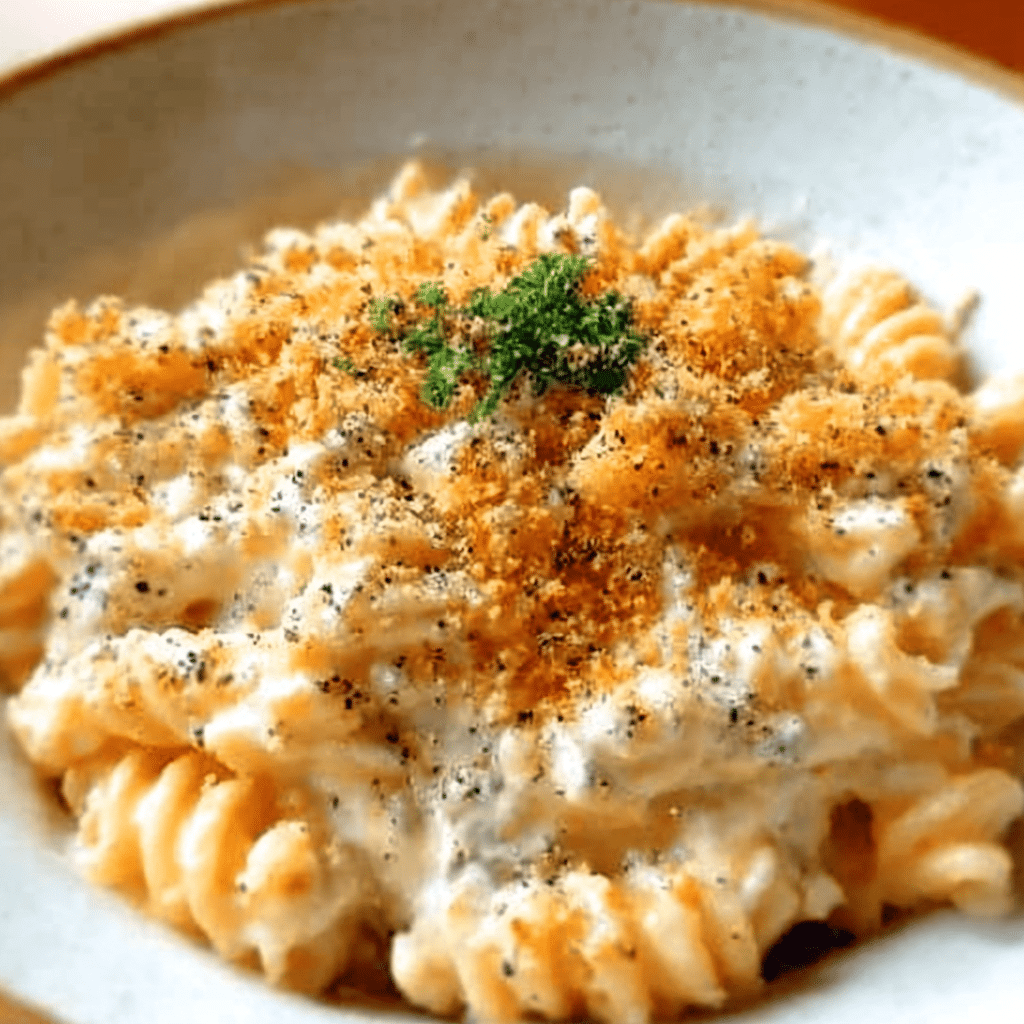
Macaroni and cheese is universally recognized as the pinnacle of comfort food, but the transition from a simple boxed meal to a gourmet, restaurant-quality experience lies in the selection of the cheese. While traditional recipes rely on sharp cheddar or processed American cheese for meltability, the introduction of Boursin—a Gournay cheese infused with garlic and fine herbs—elevates the dish into the realm of fine dining. Boursin Mac and Cheese is defined by its ultra-creamy, spreadable texture and an aromatic complexity that standard cheeses simply cannot provide. This comprehensive guide will explore the technical nuances of the Boursin-based Mornay sauce, the science of the roux, and the professional methods required to achieve a velvety finish that remains stable from the stovetop to the serving bowl.
The Culinary Profile: Aromatic Herbs and Velvety Texture
The “secret” to this specific recipe is the unique chemical composition of Boursin cheese. Unlike hard cheeses like aged cheddar, which can become oily or grainy when overheated, Boursin is a soft, fresh cheese with a high moisture and fat content. It acts as an emulsifier within the sauce, creating a “suspension” that is incredibly smooth on the palate.
From a flavor perspective, the garlic and herbs (typically parsley and chives) are already perfectly balanced within the cheese wheel. This eliminates the guesswork of seasoning the sauce manually. When paired with sharp white cheddar, the Boursin provides the creamy “body” while the cheddar provides the necessary salt and “bite.” The result is a multi-dimensional flavor profile that feels light yet indulgent, with a fragrant herbaceous finish that cuts through the richness of the heavy cream.
Essential Ingredients for a Gourmet Sauce
To execute a professional mac and cheese, every ingredient must serve a functional purpose in the sauce’s architecture. The balance between the starch, the fat, and the liquid is what determines whether your sauce will be silky or clumpy.
The Pasta and Structural Elements
- 8 oz Short Pasta (Macaroni, Shells, or similar): The shape of the pasta is more than an aesthetic choice. Shells or large-cell macaroni are ideal because their concave shapes act as small scoops for the Boursin sauce.
- 2 tbsp Unsalted Butter & 2 tbsp All-Purpose Flour: These two ingredients form the “roux.” This is the thickening agent that ensures your milk and cream transform into a cohesive sauce rather than remaining a thin soup.
The Signature Cheese Blend
- 1 round Boursin Cheese (Garlic & Fine Herbs): This is the heart of the dish. It provides the signature garlic-herb flavor and a cream-cheese-like consistency that makes the sauce exceptionally thick.
- 1 cup Grated White Cheddar Cheese: White cheddar is preferred over yellow for this recipe to maintain the elegant, ivory color of the Boursin. It adds a sharp, savory contrast to the mellow Boursin.
The Dairy and Liquids
- 1 cup Heavy Cream & 1/2 cup Milk: The heavy cream provides the fat necessary for a luxurious mouthfeel, while the milk helps to “loosen” the sauce to the perfect consistency.
- 1/2 tsp Salt: Even with flavorful cheeses, a small amount of salt is necessary to amplify the herbaceous notes of the Boursin.
The Textural Topping
- 1 cup Plain Breadcrumbs & 2 tbsp Unsalted Butter: A mac and cheese this creamy needs a structural counterpoint. Toasting breadcrumbs in butter creates a “shatter-crisp” topping that prevents the dish from feeling one-note in texture.
Step-by-Step Preparation and Technical Mastery
Success with a Boursin-based sauce depends on temperature control and a patient whisking technique. Following these steps ensures your sauce is perfectly emulsified.
Phase One: The “Al Dente” Foundation
Begin by boiling your 8 ounces of pasta in a large pot of heavily salted water. The pasta should be cooked until “al dente”—meaning it still has a slight resistance when bitten. This is critical because the pasta will continue to cook for another 60 to 90 seconds once it is tossed in the hot cheese sauce.
The Professional Reserve: Before draining, set aside about 1/2 cup of the starchy pasta water. If your cheese sauce becomes too thick during the final assembly, this water is the best tool for thinning it out without losing the silky emulsion.
Phase Two: The Science of the Roux and Bechamel
In a heavy-bottomed saucepan, melt the 2 tablespoons of butter over medium heat. Once it is bubbling, whisk in the 2 tablespoons of all-purpose flour. Cook this mixture (the roux) for exactly one minute, whisking constantly. You want to cook off the “raw” flour taste without browning the butter. The roux should remain a pale straw color.
Slowly begin to whisk in the heavy cream. Add it in small increments, whisking until the mixture is smooth before adding more. This technique prevents lumps from forming. Once all the cream is incorporated, you have created a “Bechamel” sauce—the mother sauce of all great mac and cheese recipes.
Phase Three: Melting and Emulsifying the Boursin
Reduce the heat to low. This is the most important technical step. If the Bechamel is too hot when the cheese is added, the proteins can seize or the fat can separate.
Add the full round of Boursin cheese and the cup of grated white cheddar. Stir continuously with a wooden spoon or a whisk. The Boursin will melt relatively quickly, transforming the white sauce into a thick, fragrant herb cream. If the sauce feels too “stiff,” slowly stir in the 1/2 cup of milk until you reach a consistency that looks like a heavy glaze. Taste the sauce and adjust with the 1/2 teaspoon of salt.
Phase Four: The Final Marriage and Topping
Fold the cooked pasta into the cheese sauce. Use a gentle folding motion to ensure every shell or macaroni tube is filled with the herb-infused cream. If the sauce is too thick to move freely, add a tablespoon or two of your reserved pasta water.
While the pasta sits, melt the remaining 2 tablespoons of butter in a small skillet. Add the breadcrumbs and stir constantly over medium heat for 2-3 minutes. The breadcrumbs should turn a deep golden brown and smell toasted. Sprinkle this crunchy topping over the mac and cheese just before serving.
Professional Tips for Presentation and Texture
A gourmet mac and cheese is defined by how it looks and feels on the spoon.
Achieving the Perfect “Glaze”
A common mistake is cooking the sauce until it is already the thickness you want in the pan. However, as the sauce cools even slightly, it will thicken significantly. Aim for a sauce that looks a little “looser” than your final goal while it is still on the stovetop. This ensures that by the time it hits the table, it is at the perfect, creamy peak.
Using Freshly Grated Cheese
Always grate your white cheddar from a block. Pre-shredded cheeses in bags are coated with anti-caking agents like cellulose, which can prevent the cheese from fully integrating with the Boursin. For the smoothest possible sauce, a fresh block of cheese is non-negotiable.
Expert Variations and Customizations
The Boursin profile is incredibly versatile and can be used as a base for several culinary directions.
The “Steakhouse” Variation
To turn this into a side dish worthy of a high-end steakhouse, stir in 4 ounces of sautéed mushrooms (cremini or shiitake) and a drizzle of truffle oil at the very end. The earthy mushrooms perfectly complement the garlic and herbs in the Boursin.
The Seafood Addition: Lobster Boursin Mac
For an ultra-luxury version, fold in 6 ounces of cooked lobster claw meat or chopped shrimp during the final mixing phase. The sweetness of the seafood acts as a beautiful counterpoint to the sharp white cheddar and the savory herbs.
Nutritional Enhancements
To add a bit of freshness, you can stir in two cups of fresh baby spinach just after adding the pasta. The heat of the sauce will wilt the spinach in seconds, adding a pop of green and a boost of nutrients without requiring extra cooking steps.
Frequently Asked Questions
Why did my sauce separate or look oily?
Cheese sauce separation usually happens if the heat is too high. If you boil a cheese sauce after the cheese has been added, the fat will separate from the proteins. Always melt your cheese on the lowest heat setting possible. If it does separate, try whisking in a tablespoon of cold milk to help re-emulsify the sauce.
Can I use a different flavor of Boursin?
Yes! While the “Garlic & Fine Herbs” is the most popular, Boursin also offers “Shallot & Chive” and “Black Pepper” varieties. Both work excellently in this recipe, though the Black Pepper version will be significantly punchier.
How do I store and reheat Boursin Mac and Cheese?
Store leftovers in an airtight container in the fridge for up to 3 days. Reheating mac and cheese can be tricky because the pasta absorbs the sauce over time. To restore the creaminess, reheat it in a saucepan over low heat and add a splash of milk or cream, stirring gently until the sauce “loosens” back up.
Can I bake this recipe?
While this is designed as a stovetop recipe for maximum creaminess, you can bake it. Transfer the mixture to a buttered baking dish, top with the buttered breadcrumbs and a bit of extra cheddar, and bake at 350°F for 15 minutes. Note that baking will make the sauce slightly thicker and less “saucy.”
Is the heavy cream necessary?
Heavy cream is what gives this dish its “ultimate” comfort food status. If you substitute it entirely with milk, the sauce will be much thinner and less stable. If you want a middle ground, use half-and-half, but be aware it won’t be quite as indulgent.
Why use white cheddar instead of orange?
This is purely for aesthetics. Boursin is a beautiful ivory color flecked with green herbs. Orange cheddar will turn the sauce a muddy, yellowish-orange color that masks the fresh herb look. White cheddar provides the same flavor profile while keeping the dish visually elegant.
Can I use Panko breadcrumbs instead of plain?
Absolutely. Panko breadcrumbs are larger and will provide an even crunchier texture than standard plain breadcrumbs. If you use Panko, follow the same browning instructions in the butter.
How do I prevent the garlic in the Boursin from being too strong?
Boursin is designed to be a balanced product. Once it is diluted with a cup of cream and 8 ounces of pasta, the garlic flavor is quite mellow. If you are very sensitive to garlic, you can use the “Shallot & Chive” version of Boursin for a more subtle onion flavor.
Can I make this gluten-free?
Yes. Use your favorite gluten-free short pasta and substitute the 2 tablespoons of all-purpose flour with a 1-to-1 gluten-free flour blend. Boursin cheese itself is generally gluten-free, but always check the label to be certain.
What should I serve as a side dish?
Because this dish is rich and flavorful, it pairs best with something bright and acidic. A simple green salad with a lemon vinaigrette or roasted asparagus with a squeeze of fresh lemon juice will help balance the palate between bites of the creamy pasta.
Conclusion
Boursin Mac and Cheese is a masterclass in how a single ingredient can transform a domestic staple into a sophisticated culinary event. By utilizing the unique melting properties of Boursin and combining it with a traditional roux-based Bechamel, you achieve a level of creaminess that is difficult to replicate with standard cheeses alone. The secret lies in the balance: the sharpness of the cheddar, the herbaceous aromatics of the Boursin, and the crunch of the buttered breadcrumbs. Whether you are cooking for a cozy night in or looking to impress guests with a new take on a classic, this guide ensures that your mac and cheese will be the ultimate creamy comfort food. Enjoy the process of building your roux, and savor every velvety, herb-infused bite.
PrintThe Ultimate Guide to Boursin Mac and Cheese: A Sophisticated Twist on a Classic
This Boursin Mac and Cheese is ultra creamy, rich, and packed with garlic-herb flavor, combining melted cheeses with a crispy breadcrumb topping for the ultimate comfort dish.
- Prep Time: 10 minutes
- Cook Time: 20 minutes
- Total Time: 30 minutes
- Yield: 4 servings
- Category: Main Dish
- Method: Stovetop
- Cuisine: American
- Diet: Vegetarian
Ingredients
- For the Pasta & Sauce
- 8 oz short pasta (macaroni, shells, or similar)
- 1 round Boursin cheese
- 1 cup grated white cheddar cheese
- 1 cup heavy cream
- 1/2 cup milk
- 1/2 tsp salt
- 2 tbsp unsalted butter
- 2 tbsp all-purpose flour
- For the Topping
- 1 cup plain breadcrumbs
- 2 tbsp unsalted butter
Instructions
- Boil pasta in salted water until al dente, then drain and reserve a bit of pasta water.
- Melt butter in a saucepan, whisk in flour, and cook 1 minute to form a roux.
- Slowly whisk in heavy cream until smooth.
- Add Boursin cheese and cheddar, stirring until fully melted and creamy.
- Adjust consistency with milk if needed.
- Stir in cooked pasta until fully coated in sauce.
- In a pan, melt butter and toast breadcrumbs until golden brown.
- Top mac and cheese with breadcrumbs and serve hot.
Notes
- Add cooked chicken or bacon for extra protein.
- Use different Boursin flavors for variation.
- Reserved pasta water can help loosen sauce if needed.
- Best served immediately while creamy and hot.