
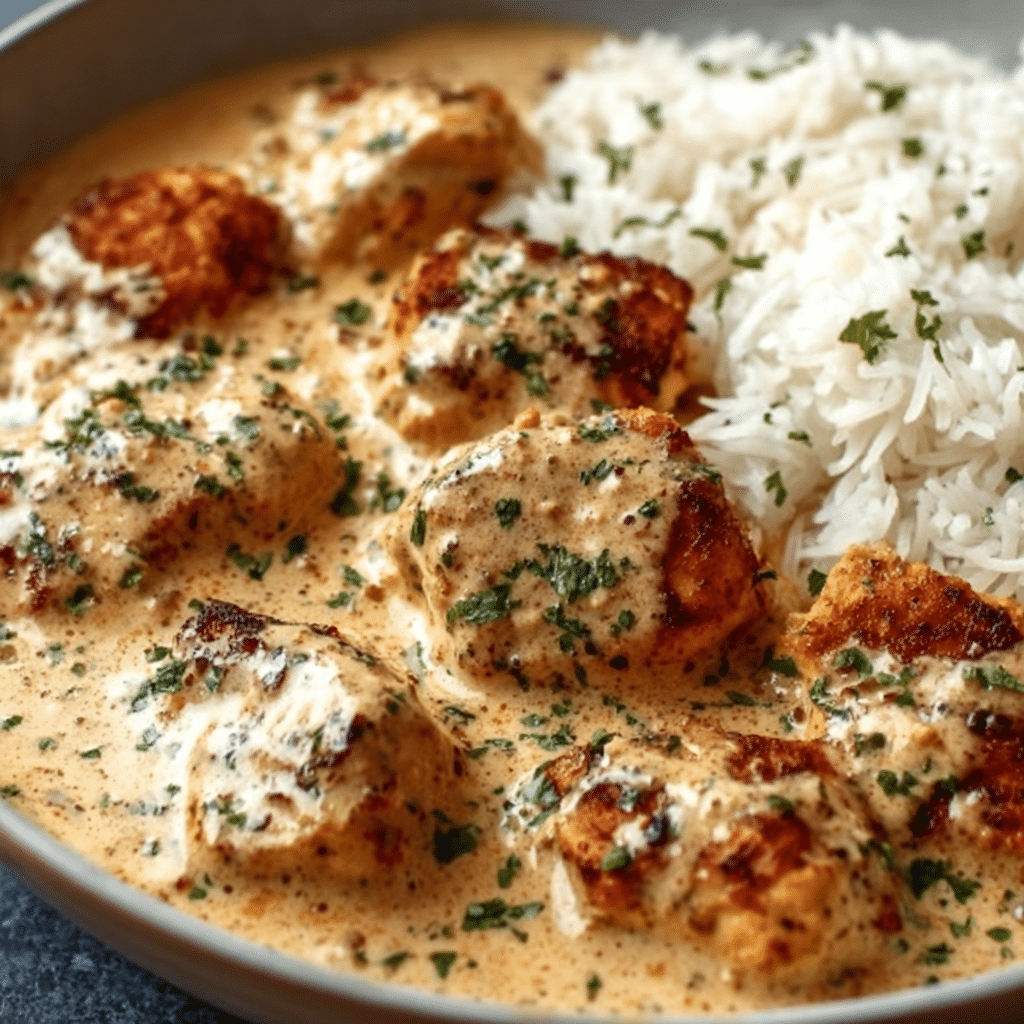
There are few phrases in the culinary world that evoke as much immediate comfort as “smothered chicken.” It is a term that suggests warmth, abundance, and a slow-cooked depth of flavor that speaks to the soul. When paired with perfectly fluffy white rice and a rich, velvety cheese sauce, this dish transcends the status of a mere weeknight dinner and becomes a masterclass in home-style gourmet cooking.
The concept of “smothering” is a technique deeply rooted in various culinary traditions, most notably in Cajun, Creole, and Southern American cuisines. At its core, to smother means to brown meat or vegetables in a pan and then simmer them in a covered pot with a small amount of liquid or sauce. This process creates a self-basting environment where the protein stays incredibly moist while the cooking liquid transforms into a concentrated, savory gravy.
In this professional guide, we are going to explore the nuances of creating the perfect Creamy Smothered Chicken and Rice. We will delve into the science of the roux, the importance of spice layering, and the technical steps required to ensure your rice is never mushy and your chicken is never dry. This isn’t just a recipe; it is an exploration of texture, temperature, and taste.
The Philosophy of Comfort Food
Before we pick up a spatula, it is worth considering why a dish like this resonates so strongly. Comfort food is often defined by its ability to provide a nostalgic or sentimental value, usually characterized by high caloric nature and associated with childhood or home cooking. However, from a chef’s perspective, comfort food is about the balance of “mouthfeel.”
The creaminess of the cheddar and Parmesan sauce provides a coating fat that carries flavors across the palate. The acidity in the chicken broth cuts through that richness, while the earthiness of the thyme and the smokiness of the paprika provide “high notes” that keep the dish from feeling heavy. By understanding these elements, you can elevate a simple chicken and rice dish into something truly extraordinary.
The Ingredients: A Technical Breakdown
To achieve professional results, one must understand the role of every component. Here is the list of ingredients required for this recipe, followed by an explanation of their function within the dish.
For the Chicken:
- 4 boneless, skinless chicken breasts: The canvas of the dish. We use breasts for their lean profile, which balances the richness of the sauce.
- 1 teaspoon garlic powder: Provides a consistent, savory base note without the risk of burning that fresh minced garlic carries during a high-heat sear.
- 1 teaspoon onion powder: Adds a subtle sweetness and aromatic depth.
- 1 teaspoon smoked paprika: This is crucial for the “golden” color and a hint of wood-fired flavor.
- Salt and black pepper, to taste: The essential flavor enhancers.
- 2 tablespoons olive oil: A high-smoke-point fat used to achieve the Maillard reaction (browning) on the chicken.
For the Rice:
- 1 cup long-grain white rice: Long-grain rice contains less starch than short-grain varieties, ensuring the grains remain distinct and fluffy rather than sticky.
- 2 cups chicken broth: Cooking rice in broth instead of water infuses the grain with flavor from the inside out.
- 1/2 teaspoon salt: To season the rice during the absorption process.
For the Creamy Sauce:
- 2 tablespoons unsalted butter: The fat base for our roux. Using unsalted butter allows us to control the sodium levels precisely.
- 2 tablespoons all-purpose flour: The thickening agent that, when combined with butter, creates a blonde roux.
- 1 1/2 cups whole milk: Provides the creamy body of the sauce.
- 1/2 cup chicken broth: Adds savory complexity to the sauce and prevents it from being overly “milky.”
- 1/2 teaspoon garlic powder: A second layer of garlic to ensure the sauce is as flavorful as the meat.
- 1/4 teaspoon thyme: An earthy herb that bridges the gap between the poultry and the dairy.
- 1/2 cup shredded cheddar cheese: Adds sharpness, color, and a gooey texture.
- 1/2 cup grated Parmesan cheese: Provides a salty, umami kick and helps stabilize the emulsion of the sauce.
- Fresh parsley, chopped: For garnish, providing a necessary burst of color and a fresh, herbaceous finish.
The Preparation Method: A Step-by-Step Masterclass
Achieving the perfect smothered chicken requires timing and temperature control. Follow these steps meticulously to ensure a restaurant-quality finish.
Phase 1: Preparing and Searing the Chicken
The first secret to a great smothered dish is the initial sear. Many amateur cooks make the mistake of “boiling” the chicken in the sauce from the start. This results in gray, rubbery meat. We want to develop a crust first.
- Drying the Protein: Take your four chicken breasts and pat them extremely dry with paper towels. Moisture is the enemy of a good sear. If the surface is wet, the chicken will steam rather than brown.
- Seasoning: In a small bowl, mix your garlic powder, onion powder, smoked paprika, salt, and pepper. Dredge the chicken breasts in this spice mixture, ensuring an even coating on all sides. Press the spices into the meat firmly.
- The Sear: Heat the olive oil in a large, heavy-bottomed skillet (cast iron or stainless steel is preferred) over medium-high heat. Wait until the oil shimmers. Place the chicken breasts in the pan—do not overcrowd them. Let them sit undisturbed for 4–5 minutes. This allows the Maillard reaction to occur, creating those brown, flavorful bits known as fond.
- The Flip: Turn the chicken over. The surface should be golden brown and slightly crispy. Sear the other side for another 4–5 minutes. Note: The chicken does not need to be cooked through at this stage; it will finish in the sauce later. Remove the chicken and set it aside on a plate, tented with foil to keep it warm.
Phase 2: The Science of the Perfect Rice
While the chicken rests, we turn our attention to the rice. The goal here is individual grains that are tender but offer a slight bite.
- Rinsing (Optional but Recommended): Rinse the rice under cold water until the water runs clear. This removes excess surface starch.
- The Boil: In a medium saucepan, combine the 2 cups of chicken broth and 1/2 teaspoon of salt. Bring it to a rolling boil.
- The Simmer: Add the rice. Once the liquid returns to a boil, immediately turn the heat to the lowest possible setting and cover the pot with a tight-fitting lid.
- The Wait: Let it simmer for 15–18 minutes. The most important rule of rice cooking: Do not lift the lid. Lifting the lid releases the steam necessary for even cooking.
- The Finish: After the time is up, remove the pot from the heat but keep the lid on for an additional 5 minutes. Finally, fluff the rice with a fork to separate the grains.
Phase 3: Crafting the Cheese Sauce (The Roux Method)
This is the technical heart of the recipe. We are creating a derivative of a Béchamel sauce, enhanced with cheese (technically making it a Mornay sauce).
- Deglazing: Look at your skillet. Those brown bits left over from the chicken are “culinary gold.” Do not wash the pan.
- Creating the Roux: Melt the 2 tablespoons of butter in that same skillet over medium heat. Once melted, sprinkle in the 2 tablespoons of flour. Whisk constantly for about 1–2 minutes. You are looking for a “blonde roux”—it should smell slightly nutty but should not turn dark brown. This step cooks out the raw flour taste.
- The Emulsion: Gradually—and this is key—whisk in the 1 1/2 cups of whole milk and 1/2 cup of chicken broth. Add a small splash, whisk until smooth, then add more. This prevents lumps from forming.
- The Seasoning: Stir in the second measurement of garlic powder and the dried thyme. Continue to whisk as the sauce comes to a gentle simmer. It will begin to thicken as the flour starches gelatinize.
- The Cheese: Once the sauce is thick enough to coat the back of a spoon, turn the heat to low. Add the shredded cheddar and grated Parmesan. Whisk gently until the cheese is fully melted and the sauce is glossy and smooth.
Phase 4: The Smothering Process
This is where the magic happens—the marriage of the protein and the sauce.
- Returning the Chicken: Place the seared chicken breasts (and any juices that have collected on the plate) back into the skillet with the cheese sauce.
- Basting: Use a large spoon to pour the sauce over the chicken until every inch is covered.
- The Final Simmer: Cover the skillet with a lid. Keep the heat on low. Let the chicken simmer in the sauce for about 10 minutes. This gentle poaching environment ensures the chicken reaches an internal temperature of 165°F (74°C) while staying incredibly succulent. The sauce will also take on the flavors of the seasoned chicken crust.
Phase 5: Plating and Presentation
A dish this rich deserves a beautiful presentation.
- The Base: Place a generous mound of the fluffed chicken-broth rice in the center of a warm plate.
- The Main: Place a smothered chicken breast atop the rice.
- The Finish: Spoon extra sauce from the pan over the top.
- Garnish: Sprinkle with a liberal amount of freshly chopped parsley. The green provides a visual contrast to the orange/white tones of the dish and adds a hit of freshness to cut through the dairy.
Pro-Tips for Culinary Excellence
- Temperature Control: If your sauce begins to “break” (where the oil separates from the cheese), it is likely too hot. Remove it from the heat and add a tablespoon of cold milk while whisking vigorously to bring the emulsion back together.
- The Cheese Quality: Always grate your own cheese if possible. Pre-shredded cheeses are coated in potato starch or cellulose to prevent clumping in the bag, which can lead to a grainy texture in your sauce.
- Chicken Uniformity: If your chicken breasts are very thick on one end and thin on the other, use a meat mallet to pound them to an even thickness before seasoning. This ensures they cook at the same rate and remain juicy.
Conclusion
Mastering the Creamy Smothered Chicken and Rice is about more than just following a list of instructions; it is about understanding how heat, fat, and starch interact to create a sense of satiety and comfort. By taking the time to sear the meat properly and build a smooth, cheese-infused roux, you turn humble pantry staples into a sophisticated meal. Whether you are cooking for a family on a rainy Tuesday or hosting a dinner for friends, this recipe provides a reliable, delicious foundation for any home chef’s repertoire.
Frequently Asked Questions (FAQ)
Q: Can I use chicken thighs instead of chicken breasts?
A: Absolutely. Chicken thighs are actually more forgiving because they have a higher fat content and more connective tissue. If using bone-in thighs, increase the “smothering” simmer time to 20 minutes to ensure they are cooked through to the bone.
Q: My sauce is too thick. How can I fix it?
A: If the sauce becomes too thick (which can happen if it simmers too long), simply whisk in a tablespoon of chicken broth or milk at a time until you reach your desired consistency. Remember that the sauce will continue to thicken as it cools.
Q: Can I use brown rice instead of white rice?
A: Yes, but you will need to adjust the liquid ratio and cooking time. Brown rice typically requires a 1:2.5 ratio (1 cup rice to 2.5 cups broth) and takes about 40–45 minutes to cook. Make sure to start the rice much earlier if you choose this option.
Q: Is there a substitute for the whole milk?
A: For a lighter version, you can use 2% milk, though the sauce won’t be quite as silky. For an even more decadent version, you could use half-and-half. We do not recommend using almond or soy milk for this specific recipe, as the flavor profiles and protein structures don’t interact with the cheese and roux in the same way.
Q: How do I store and reheat leftovers?
A: Store leftovers in an airtight container in the refrigerator for up to 3 days. When reheating, the sauce will likely have thickened significantly. To restore the creaminess, add a splash of water or milk before microwaving or reheating on the stovetop. This helps “loosen” the fats and starches.
Q: Can I add vegetables to this recipe?
A: Certainly! Sautéed mushrooms, steamed broccoli, or peas work wonderfully with this flavor profile. You can stir peas or cooked broccoli directly into the sauce at the very end of the simmering process to keep them bright and fresh.
Q: Why did my rice turn out mushy?
A: Mushy rice is usually the result of too much liquid or over-stirring. Ensure you are using the exact 1:2 ratio and that you do not stir the rice while it is simmering. The steam needs to create “tunnels” through the rice to cook it evenly; stirring breaks those tunnels and releases too much starch.
Q: Can I make this dish ahead of time?
A: While best served fresh, you can prepare the chicken and sauce up to a day in advance. Store them separately from the rice. Reheat the chicken and sauce slowly over low heat, then prepare a fresh batch of rice for the best texture.
Creamy Smothered Chicken and Rice: The Ultimate Guide to Comfort Food Mastery

This creamy smothered chicken and rice is the ultimate comfort food recipe with juicy seared chicken, fluffy rice, and a rich cheesy cream sauce.
- Prep Time: 10 minutes
- Cook Time: 30 minutes
- Total Time: 40 minutes
- Yield: 4 servings
- Category: Main Dish, Dinner
- Method: Stovetop
- Cuisine: American Comfort Food
Ingredients
- 4 boneless, skinless chicken breasts
- 1 tsp garlic powder
- 1 tsp onion powder
- 1 tsp smoked paprika
- Salt and black pepper to taste
- 2 tbsp olive oil
- 1 cup long-grain white rice
- 2 cups chicken broth
- 1/2 tsp salt
- 2 tbsp unsalted butter
- 2 tbsp all-purpose flour
- 1 1/2 cups whole milk
- 1/2 cup chicken broth
- 1/2 tsp garlic powder
- 1/4 tsp thyme
- 1/2 cup shredded cheddar cheese
- 1/2 cup grated Parmesan cheese
- Fresh parsley for garnish
Instructions
- Season chicken with spices, then sear in olive oil until golden. Set aside.
- Cook rice in chicken broth and salt until tender, then fluff.
- Melt butter, whisk in flour, and cook 1–2 minutes.
- Slowly add milk and broth, whisking until smooth.
- Add seasonings, cheddar, and Parmesan. Cook until thick and creamy.
- Return chicken to skillet and spoon sauce over it. Simmer covered for 10 minutes.
- Serve chicken over rice and garnish with parsley.
Notes
- Whisk sauce continuously to avoid lumps.
- Use freshly grated cheese for best melt.
- Add extra broth if sauce becomes too thick.